ع
ع



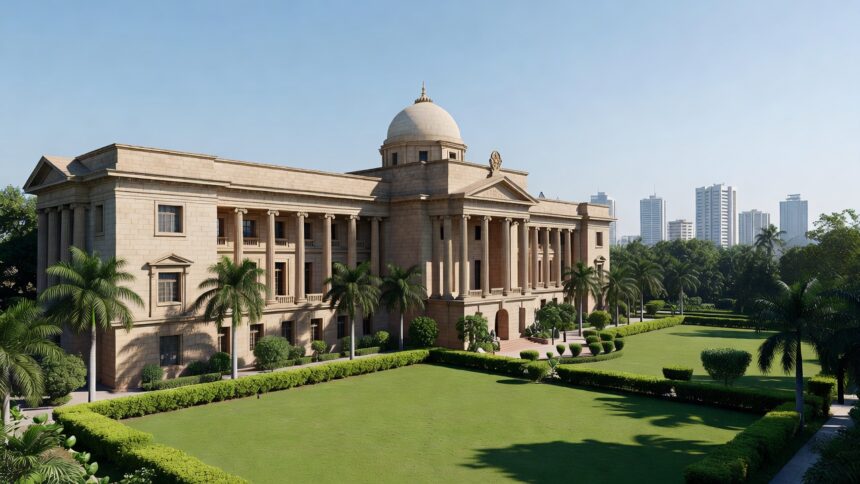


The central bank opted against any adjustment to borrowing costs even as retail inflation climbed above its medium-term target for the first time in 17 months. Governor Sanjay Malhotra told reporters in Mumbai that resilient domestic demand continued to support economic growth while price pressures had yet to become broad-based. He emphasised the need for greater clarity on the inflation trajectory and its composition before any policy shift noting that current rises stemmed mainly from supply-side factors in food and fuel.
Official figures placed retail inflation at 4.4 percent in June remaining within the bank’s 2-6 percent tolerance band despite exceeding the 4 percent goal. The Monetary Policy Committee observed that projected increases in headline inflation were not yet translating into wider price gains across the economy according to the governor’s address. This assessment aligned with the bank’s decision to retain the rate after six members voted unanimously to hold steady.
Central banks across emerging markets from Indonesia to Sri Lanka have lifted borrowing costs since the Middle East crisis erupted in February to combat rising prices and support their currencies a trend the RBI has so far avoided. The Indian government has implemented limited staggered fuel price increases that have shielded households from the full force of higher global energy costs though officials acknowledge this buffer may prove temporary. Malhotra’s remarks carried a dovish tone that analysts said stood out given the unresolved nature of the regional conflict.
Instead of raising rates the central bank introduced measures to attract dollar inflows including a deposit scheme targeted at the Indian diaspora. Central bank data released last Saturday showed these steps had drawn more than $40 billion since June helping to bolster foreign exchange reserves. The initiatives helped stabilise the rupee after it hit a record low ahead of the previous policy review although fresh pressures have since emerged.
India remains the world’s third-largest oil importer sourcing roughly half its crude through the Strait of Hormuz which has been effectively closed since the war began in February according to industry assessments. This dependency leaves the economy particularly exposed to global energy shocks that could inflate import bills for both crude and fertilisers. Higher costs in these areas risk feeding through to broader consumer prices and weighing on growth if the conflict persists.
Sneha Pandey of Quantum AMC described the governor’s address as notably measured given the war’s influence on oil markets and bond yields. She highlighted the absence of heightened concern in his comments as a positive signal for equity markets. A Reuters poll of economists conducted ahead of the meeting had anticipated the bank would hold rates through the remainder of the year with growth risks taking precedence over immediate inflation worries.