ع
ع



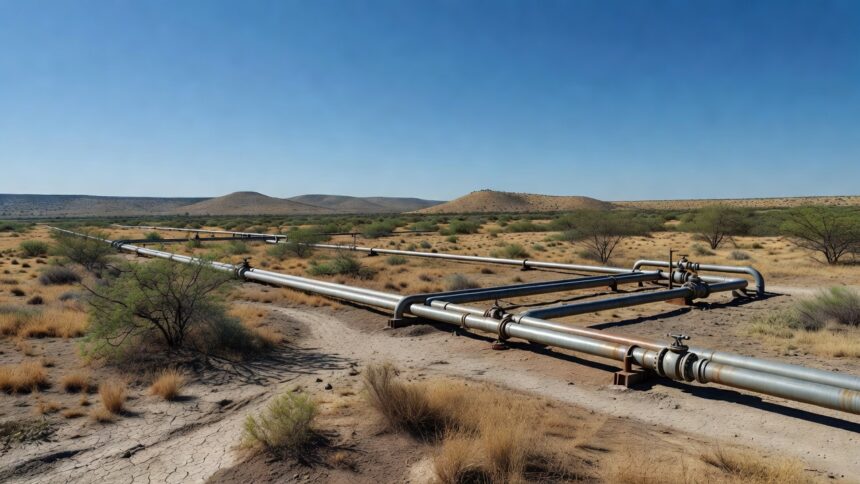


Mexican security forces conducted raids that resulted in the shutdown of the four facilities which were processing stolen hydrocarbons into sellable products outside the regulated market. The operations formed part of a wider initiative to protect critical energy infrastructure from organized crime a persistent issue in several Mexican states. According to a report by Insight Crime criminal groups have increasingly turned to fuel theft as a major revenue source with the problem growing substantially in recent years.
The scale of the theft is illustrated by data showing an average of more than 3,000 clandestine pipeline taps detected by Pemex each year between 2022 and 2023. In the state of Hidalgo the number reached 2,450 in 2024 making it the national leader in such incidents the organized crime research group noted. These taps allow criminals to divert crude and refined products which are then processed in illegal refineries before being sold on the black market.
A similar discovery in June 2025 involved a clandestine mini-refinery in the eastern state of Veracruz where authorities seized equipment and approximately 500,000 barrels of suspected stolen crude oil Reuters reported. That find underscored the technical sophistication some of these illegal setups have achieved often rivaling small-scale legitimate operations in complexity. The latest action against four such sites suggests authorities are maintaining pressure on these networks following that high-profile case.
Fuel theft has cost Pemex and the Mexican economy billions of dollars with one three-year period alone seeing the state company burn off resources valued at more than $342 million due to illegal activity a Malay Mail post citing Pemex data indicated. The criminal economy surrounding huachicol as the theft is known locally has led to violence in key oil-producing regions as groups fight for control. Experts have linked the activity to major cartels seeking to diversify their income streams beyond traditional narcotics.
In July 2026 officials announced the dismantling of what they called the country’s largest fuel-smuggling network resulting in multiple arrests that included a former state governor OPIS energy market news reported. This sequence of enforcement actions illustrates a concerted government strategy to reclaim control over the hydrocarbon supply chain. The efforts also aim to improve the financial position of Pemex which has struggled with aging infrastructure and maintenance backlogs at its six official refineries according to a Baker Institute study.
Pemex has responded by enhancing surveillance and collaborating with security forces to identify and dismantle illegal operations more rapidly. The company continues to face challenges in fully securing its extensive pipeline network that spans the country. Additional measures including technological upgrades for real-time monitoring have been deployed in high-risk areas to deter future theft attempts.