ع
ع


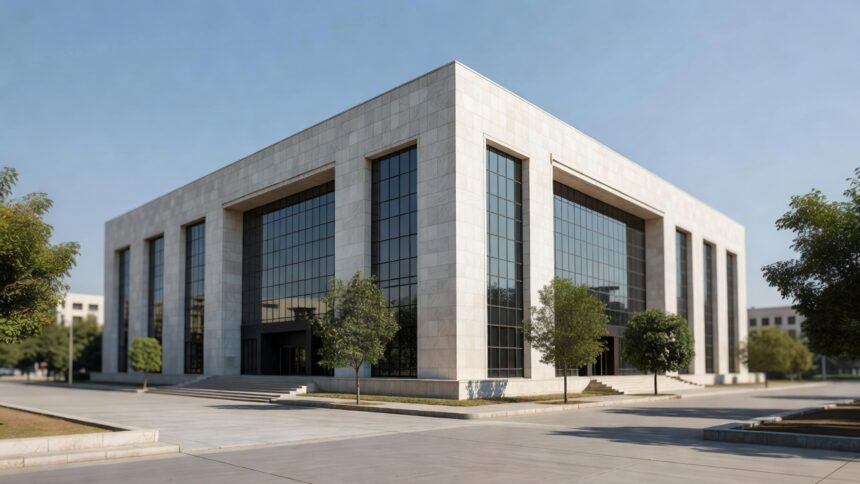


Pakistan’s State Bank of Pakistan held its key policy rate unchanged at 11.5 percent on July 27 2026 according to Governor Jameel Ahmad who addressed reporters after the Monetary Policy Committee meeting. The decision comes as tensions between the United States and Iran have escalated following the collapse of a ceasefire with exchanges of fire over the Strait of Hormuz a vital route for global oil shipments. Ahmad noted that the bank expects some reduction in inflation for July but cautioned that the trend could reverse if the Middle East conflict intensifies further. The governor highlighted that such developments pose risks to the import-dependent economy where higher energy costs could quickly feed through to broader price levels.
State Bank of Pakistan Governor Jameel Ahmad said a revised estimate for GDP growth in the fiscal year through June 2026 was likely to improve while the central bank projects expansion in the following year in a range of 3.5 to 4.5 percent in line with prior forecasts. The Monetary Policy Committee cautioned in its statement that volatile commodity prices along with possible effects from the El Nino weather phenomenon could still alter these outcomes. According to the committee’s assessment the current-account deficit is projected to remain reasonable supported by rising remittances from Pakistanis working abroad with a target range of 0 to 1 percent of GDP. These projections reflect an economy navigating external shocks while relying on steady inflows from overseas workers.
Ahmad stated that Islamabad faces debt repayments of 21.5 billion dollars due in fiscal year 2027 with most expected to be covered through rollovers and refinancing according to his briefing. He added that debt servicing costs will decline this year because interest payments have decreased and a shift in debt sources has strengthened the overall debt profile. Foreign exchange reserves stood at around 17.3 billion dollars by mid-July and are on track to exceed the target of more than 20 billion dollars by year-end the governor reported. Such levels provide a buffer against external pressures although sustained accumulation remains a priority for the authorities.
Adnan Sheikh vice president of research at the Pakistan Kuwait Investment Company described the Monetary Policy Committee statement as modestly dovish but insufficient to indicate imminent rate cuts. Sheikh noted that the stance continues to prioritize price stability in an environment where inflation risks persist. The committee re-emphasized the importance of fiscal reforms including broadening the tax base and reducing losses at public sector enterprises to underpin sustainable economic growth according to its published statement. These calls align with longer-term efforts to strengthen public finances and reduce vulnerabilities.
The State Bank of Pakistan raised the policy rate by 100 basis points to 11.5 percent in April marking its first increase in nearly three years after maintaining steady rates since October 2025 according to central bank records. That adjustment followed a cumulative reduction of 1 150 basis points from a peak of 22 percent in June 2024 as the bank responded to earlier declines in inflation. Monday’s hold matches the committee’s decision from the June meeting and reflects a cautious approach amid uncertain global conditions. Central bank data places the medium-term inflation target at between 5 and 7 percent providing the anchor for ongoing policy calibration.
State Bank of Pakistan figures show foreign exchange reserves have risen steadily in recent months supported by improved current account balances that recorded only a modest deficit of 425 million dollars in the second quarter of 2026 according to the central bank’s economic data releases. Remittances have played a key role in this improvement with annual inflows climbing significantly and helping to offset trade gaps as detailed in finance ministry reports from earlier in the year. The Monetary Policy Committee has scheduled further meetings through the remainder of fiscal year 2027 to monitor developments and adjust settings as needed. These regular reviews ensure policy remains responsive to both domestic fiscal progress and external economic signals.