ع
ع



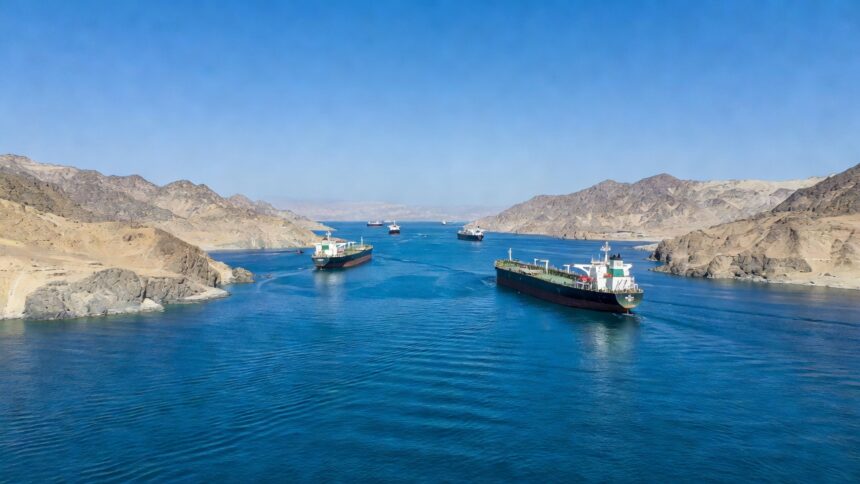


Spot prices for Middle East crude strengthened on Tuesday after Iranian forces attacked two tankers from Abu Dhabi National Oil Co’s fleet, according to Reuters. The prompt monthly spread for the Dubai benchmark flipped into backwardation of nearly $1 a barrel, traders said, after three weeks in contango that had indicated ample supplies. This shift highlights tightening availability as fears mount over shipping safety in the Strait of Hormuz, a chokepoint that the US Energy Information Administration data shows handled an average of 20.9 million barrels per day in the first half of 2025. The attacks are expected to make charterers more cautious about entering the Gulf to load oil.
The incidents are part of an escalating five-month war between the US and Iran that resumed with American strikes following a ship attack last week. Tehran has also targeted Gulf nations and vessels passing near Oman through the strait. A shipping source in India told Reuters that there is a possibility even the UAE will find it difficult to get crude out, adding the war premium will go up significantly high. Sources cited in the report declined to be identified because they are not authorised to speak to the media.
Only five oil, chemicals and dry bulk carriers transited the strait on Monday, mostly via the Iranian route, with no oil or liquefied natural gas tankers entering, Kpler ship-tracking data indicated. The mini-glut of oil that had built up during a recent interim peace deal has now evaporated, Sparta Commodities senior analyst June Goh said. She pointed to the potential for further disruptions from the Bab el-Mandeb Strait should Yemen’s Houthi movement join the attacks, following its missile strikes on Saudi Arabia that broke a four-year truce.
Abu Dhabi National Oil Co has already committed to sell more than 70 million barrels of crude from June to August and is likely to use stocks from Fujairah to fulfil orders, Reuters reported. Traders expect the producer to award a tender later this week that may narrow cargo discounts and increase interest in September and October loadings. An Indian refining source told Reuters the situation is fluid and uncertain, preventing proper planning, while refiners currently hold enough inventories but could face shortages toward September if the disruption lasts 10 to 15 days.
Asian buyers are looking to West Africa and Latin America for replacement barrels through arbitrage, with Indian importers set to ramp up Russian oil purchases, trade sources reported. Benchmark Brent crude had settled nearly 5 percent higher at $78.02 a barrel in the prior session after fresh US strikes, a Reuters assessment found. The latest tensions have also driven up spot prices and refining margins for products across Asia.
Diesel and jet fuel prompt monthly spreads along with refining margins climbed to near two-month highs Tuesday, LSEG data showed, while margins for 380-centistoke high-sulphur fuel oil reached a four-week peak. The Asian naphtha crack against Brent rose to $184 per metric ton, the highest since May 19. Fuel oil tankers last moved through the strait in early July with no further exits visible after the recent attacks, according to Kpler.
US President Donald Trump announced Monday that Washington is reinstating a naval blockade on Iran and will seek reimbursement for 20 percent of cargo value shipped through the Strait of Hormuz. The United Nations shipping agency expressed opposition to any fees on maritime waterways but said it would wait for more information. Portfolio manager Simon Wong of Gabelli Funds said in an email that he believes all of this is posturing and brinkmanship.