ع
ع


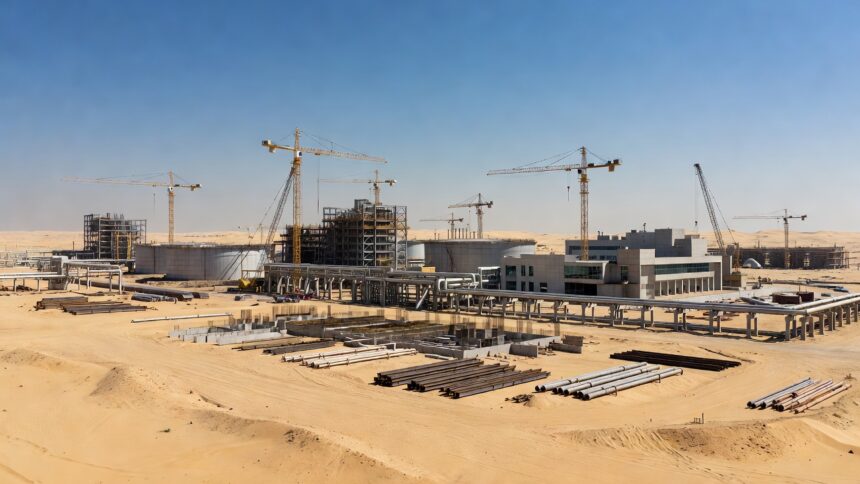


Force majeure clauses have risen sharply on the agenda for contractors, developers and lenders involved in Gulf megaprojects as geopolitical instability disrupts logistics networks, personnel movement and cross-border supply chains. Missile and drone activity along with airspace closures and shipping route interruptions linked to the conflict involving Iran, Israel and the United States have begun affecting project timelines across energy, engineering, procurement and construction sectors. Dr Leonardo Carpentieri, co-head at law firm Rosenblatt, told Arabian Business that the escalating tensions have caused real and immediate disruption to live projects, moving force majeure from a theoretical provision to an operational reality.
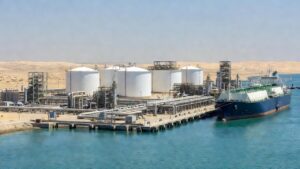
Several energy companies have already issued force majeure notices following attacks on infrastructure that halted production and shipments. QatarEnergy declared force majeure on liquefied natural gas deliveries after suspending operations at key facilities, while trader Shell followed with notices on cargoes sourced from Qatar. Bahrain’s Bapco Energies similarly invoked the clause on some oil shipments after a drone strike damaged refinery assets, illustrating how initial shocks propagate through regional supply chains according to industry reports cited by Reuters.
Project participants are now reviewing contract terms to assess whether delays or non-performance qualify for relief under force majeure provisions, particularly for schemes reliant on imported materials and international workforces. Sara Paradisi, co-head at Rosenblatt, told Arabian Business that these pressures are especially pronounced for large infrastructure, energy and EPC projects dependent on global coordination. A Mordor Intelligence assessment placed the GCC construction market at more than USD 330 billion in 2025 with expectations of further expansion into 2026, underscoring the broad exposure of ambitious diversification initiatives such as Saudi Vision 2030 schemes to such disruptions.
Legal outcomes for identical events can vary significantly depending on the governing law and specific contract wording, creating potential tensions in multi-party project structures. Under English law, which applies to many international construction agreements, force majeure carries no inherent meaning and requires explicit contractual provisions for relief. In contrast, many Middle Eastern civil codes treat it as a statutory concept that may apply even if contracts are silent, a distinction Paradisi said could produce fundamentally different results across agreements on the same development.
Experts recommend that parties conduct thorough reviews of governing law, notice requirements and force majeure definitions before taking action to avoid unintended consequences such as contract termination or lender disputes. Carpentieri cautioned that force majeure should not be treated as a reflex response to disruption and urged coordinated legal advice to clarify positions in the current environment. UNCTAD assessments have separately noted that pipelines and alternative routes cannot fully replace flows through the Strait of Hormuz, amplifying the lasting impact of sustained shipping and logistics interruptions on regional projects.
The developments highlight the vulnerability of tightly integrated global supply networks supporting Gulf megaprojects at a time when the conflict had entered its 13th day as of the mid-March briefing. Lawyers emphasise the importance of timely and well-documented notices to preserve rights while minimising exposure to counterclaims or financing complications. Similar patterns emerged in earlier supply chain shocks, including Red Sea disruptions that a Frontiers in Marine Science study linked to substantial declines in affected port throughput, reinforcing the need for robust contractual safeguards across the sector.