ع
ع



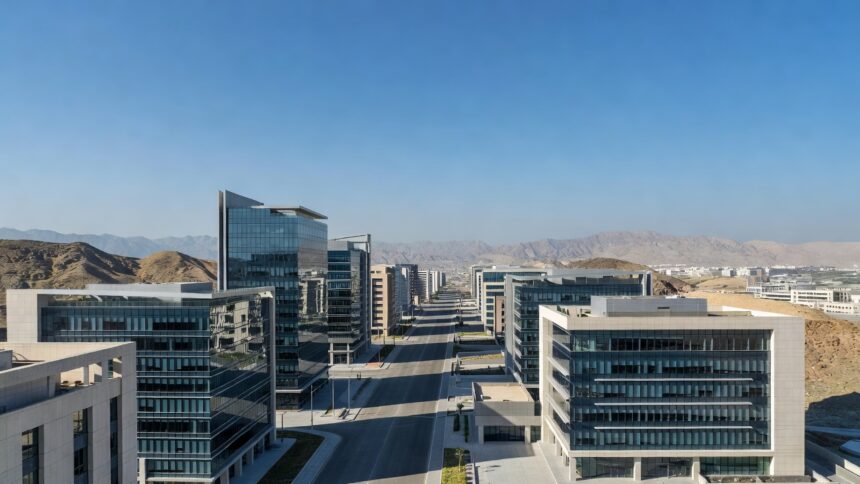


The new centre will be situated in Madinat Al Irfan in the capital Muscat and will function as an independent legal and financial entity reporting directly to the Deputy Prime Minister for Economy and Finance, according to a report from Ernst & Young. It will feature its own council appointed by royal order to oversee operations and set procedures, meeting at least twice annually. A dedicated regulatory authority and a judicial system comprising a primary court and court of appeal will handle matters within its jurisdiction. The framework aligns with international standards to foster a competitive environment for financial services.
Tax benefits include full exemption from income tax for licensed entities engaged in eligible activities for up to 50 years from the decree’s effective date of January 13, 2026, an Ernst & Young assessment found. Non-resident persons and entities will enjoy relief from withholding taxes on various income types derived from dealings with the centre. The centre will also qualify as a designated special zone under VAT rules, enabling zero-rating or exemptions on supplies. These measures were outlined in analyses of the decree.
Oman has pursued economic diversification under its Vision 2040 programme to lessen reliance on oil, which the initial announcement by the Oman News Agency highlighted as a core objective for the financial centre. The government targets cutting oil income dependence by 15 percent of gross domestic product by 2030 and by an additional 18 percent by 2040. Introduction of a 5 percent personal income tax on earnings above 42,000 Omani rials from 2028 and a golden visa scheme launched in 2025 form part of the broader reform package.
IMF data places Oman’s projected real GDP growth at 3.5 percent for 2026, down from earlier estimates but supported by non-oil activities and fiscal reforms. The fund forecasts inflation to average 1.7 percent while the fiscal surplus widens to 4.5 percent of GDP. An IMF selected issues paper noted that while Oman’s diversification has advanced, it remains behind top GCC and global performers.
The development mirrors efforts across the Gulf, where Abu Dhabi’s ADGM recorded 48 percent annual growth in assets under management in the third quarter of 2025, according to The National. That centre issued 2,801 licences during 2025, contributing to a total of 11,920 active licences by late in the year. Saudi Arabia’s King Abdullah Financial District and regional headquarters requirement have drawn major firms including BlackRock to establish operations in the kingdom.
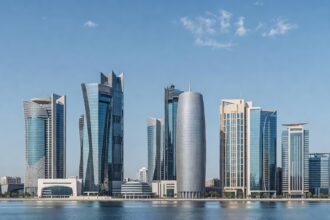
Qatar’s financial centre has similarly served as a platform for international firms as part of its own economic strategy, providing a comparable benchmark for Oman’s initiative. The IFC Oman will support issuance of visas and residence permits for non-Omani talent and families to facilitate operations. Public debt is anticipated to fall to approximately 33 percent of GDP in the coming period, per IMF projections.