ع






The Emirates News Agency outlined the UAE’s position that water resilience must inform all levels of economic decision making and investment allocation. This call comes as part of the country’s active role in international forums addressing climate and resource challenges. Officials emphasised the need for a paradigm shift in how governments and private investors assess project viability and long-term risks. Such integration could help mitigate the impacts of increasing water scarcity on food security and economic growth.
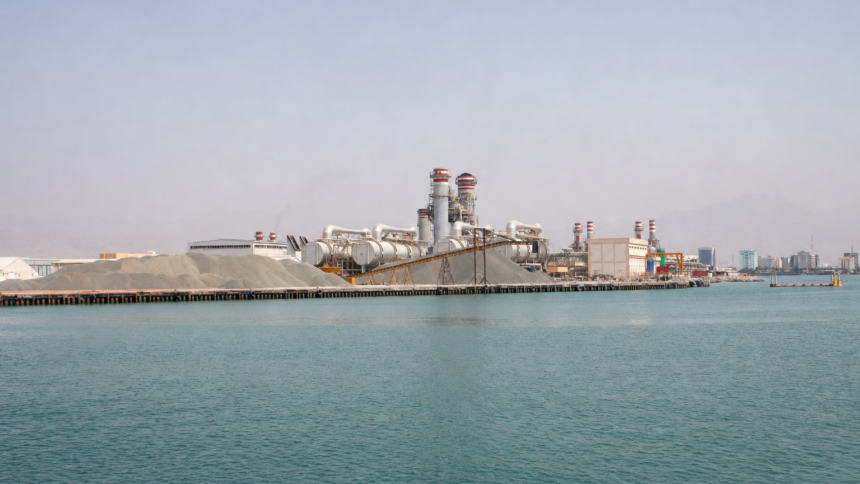
Water scarcity affects more than 2.4 billion people globally, according to United Nations estimates, with the situation expected to worsen due to climate change and population growth. In the UAE, where natural freshwater resources are extremely limited, the government has invested heavily in alternative sources including desalination plants that supply the majority of drinking water. A 2023 assessment by the Ministry of Energy and Infrastructure highlighted progress in reducing per capita water consumption through conservation campaigns and technology. These efforts provide a model for other nations facing similar constraints in arid environments.
The UAE’s latest call aligns with its National Climate Change Plan and related strategies that place sustainability at the core of economic diversification. Investment in water infrastructure has grown substantially, with billions of dollars committed to research and development in efficient usage and innovative treatment methods. International partners have collaborated on projects that advance water resilience across the region and beyond. This approach not only addresses domestic needs but also positions the UAE as a key player in global solutions.
According to the World Resources Institute, several Gulf countries rank among the most water-stressed nations, prompting a reevaluation of development priorities. The UAE has responded by fostering public-private partnerships that drive advancements in water technology and management practices. These initiatives have led to improvements in wastewater reuse rates that now exceed 80 percent in some emirates. Data from local authorities show continued focus on expanding such systems to meet rising urban demand.
Global investment in water resilience projects remains below required levels, a PwC analysis of infrastructure funding gaps found. The UAE’s advocacy aims to elevate the issue in discussions at multilateral financial institutions and investment summits. By placing water at the centre of planning, policymakers can better anticipate risks and unlock opportunities for sustainable growth. The country’s experience demonstrates the benefits of proactive measures in building long-term resilience.
Further details from the WAM report indicate that the call was part of a wider engagement with international stakeholders on sustainable development goals. UAE representatives shared insights from domestic successes to illustrate practical pathways for implementation. The emphasis on economic and investment planning reflects an understanding that water issues intersect with multiple sectors including energy, agriculture and urban development. This holistic view is increasingly shared by experts monitoring global resource trends.