ع
ع



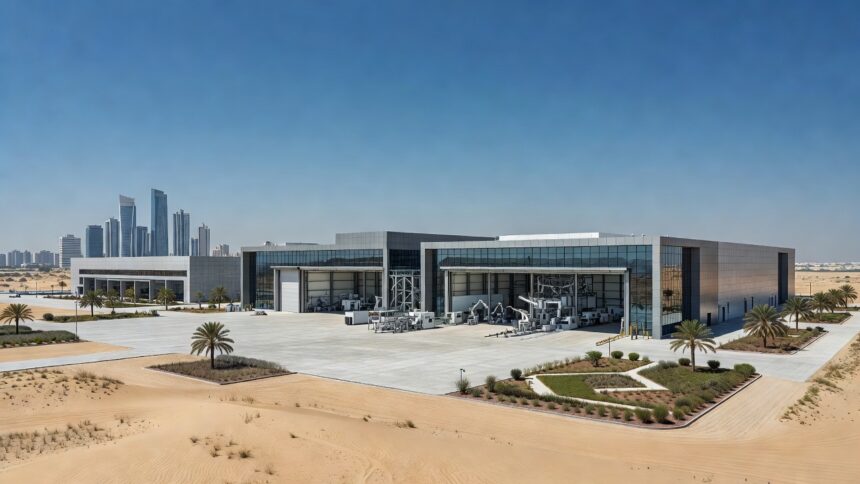


Mashreq chairman Abdul Aziz Al Ghurair told The National that UAE banks have demonstrated resilience with strong first-quarter 2026 results and are prepared to finance the next phase of national growth centred on manufacturing. Al Ghurair who also chairs the UAE Banks Federation noted the sector’s robust performance came despite economic disruptions from the Iran war that began on February 28 and the effective closure of the Strait of Hormuz. He urged adjustments to rules and regulations to make it easier for businesses to establish industrial operations locally while highlighting government backing for the shift.
According to Al Ghurair the UAE has learned from recent challenges and is now prioritising self-sufficiency in production to build long-term resilience. “Banks are ready they have the appetite now” he said underscoring renewed confidence. “There is also support from the government” Al Ghurair added calling for regulatory changes “to make it a lot more attractive a lot more flexible to set up industry.”
The industrial sector contributed Dh200 billion to the economy last year marking a 70 per cent increase according to Minister of Industry and Advanced Technology Sultan Al Jaber who addressed the Make it in the Emirates summit in Abu Dhabi. Industrial exports reached Dh262 billion including Dh92 billion in advanced products the minister’s figures showed. This momentum reflects the national strategy to reduce reliance on imports and strengthen supply chains after recent pressures.
Federal Competitiveness and Statistics Centre figures place the UAE’s GDP at $517 billion in 2025 with non-oil activities expanding 6.8 per cent that year.[[1]](https://www.thenationalnews.com/business/economy/2026/05/30/uae-gdp-hits-517bn-in-2025-as-non-oil-sector-grows-68/) Manufacturing accounted for 12.8 per cent of output while trade finance and construction ranked as leading contributors the data indicated. Alvarez & Marsal’s review of the ten largest listed banks reported lending growth of 5.8 per cent in the first quarter of 2026 with the non-performing loan ratio declining to 2.3 per cent.[[2]](https://www.alvarezandmarsal.com/press-release/uae-banks-deliver-strong-q1-2026-performance-as-lending-growth-reaches-5-8)
Emirates NBD posted record total income of AED14.4 billion for the period up 21 per cent year on year according to the bank’s results. Profit before tax climbed to AED8.2 billion reflecting strong balance sheet expansion and non-funded income growth. First Abu Dhabi Bank similarly highlighted operational resilience in its quarterly update despite heightened regional tensions.
Al Ghurair advised businesses to avoid selling assets during crises and instead exercise patience while seeking partnerships. On the same panel at the Abu Dhabi summit Emaar founder Mohamed Alabbar reported that payment extension requests from roughly 40,000 customers rose from 1,000 in December to 1,200 at the height of disruptions before falling to 700 after a ceasefire. Alabbar stressed the need for organisations to maintain focus on growth with appropriate safeguards in place.
The UAE economy is projected to expand around 5 per cent in 2026 building on non-oil sectors that now account for more than three-quarters of output according to economic assessments.[[3]](https://www.china-briefing.com/china-outbound-news/uae-economy-set-for-5-growth-in-2026-implications) This diversification drive has opened sectors such as manufacturing to full foreign ownership and attracted investment in advanced industries. Such policies have positioned the country to withstand external shocks while sustaining momentum across trade finance and technology.