ع
ع



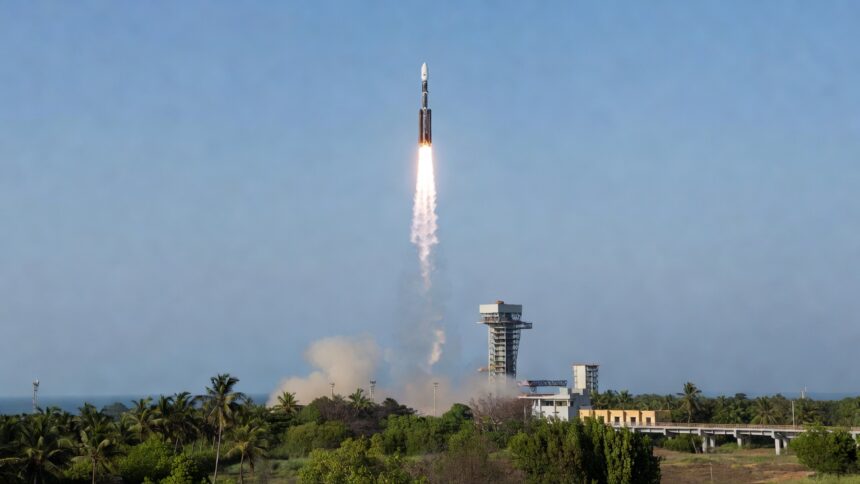


Skyroot Aerospace launched its Vikram-1 rocket from the Satish Dhawan Space Centre in Sriharikota at 0635 GMT on July 18, 2026 after a short postponement, according to a Reuters report from Bengaluru. The vehicle placed its payloads into a 450-kilometre orbit approximately 15 minutes after liftoff during the test flight designated Mission Aagaman. The company said in a statement that “Mission Aagaman is a grand success” and added “This is a test flight. We will be doing a few of these before we move into routine commercial flights.”
Mission Aagaman aimed to validate the rocket’s propulsion, avionics, telemetry, guidance, navigation and control systems while collecting data for upcoming commercial operations, Skyroot stated. The 22-metre-tall vehicle employs three solid-fuel stages together with a liquid-fuel orbital adjustment module that features a 3D-printed engine, technologies the firm said were flying for the first time in India. It carried multiple experimental payloads and customer satellites from both Indian and overseas organisations.
Founded in 2018, Skyroot Aerospace attracted global investor backing after India opened its space sector to private companies in 2020 and became the first domestic space firm to reach a $1 billion valuation earlier this year, Reuters reported. The company had previously achieved a suborbital flight with its Vikram-S rocket in 2022, which represented the first privately developed rocket to reach space from Indian soil. That earlier mission paved the way for the orbital attempt that occurred on Saturday.
The Indian government seeks to expand the country’s space economy to $44 billion by 2033 from roughly $8 billion at present by relying on private enterprise to compete with established players in the United States, Europe and China, according to the Reuters dispatch. A Press Information Bureau assessment placed the current sector value at approximately $8.4 billion and projected growth to between $40 billion and $45 billion by 2030 before reaching $100 billion by 2040. The 2020 liberalisation allowed startups to design and operate rockets, satellites and launch services that the Indian Space Research Organisation had monopolised for decades.
The successful orbital insertion makes India the third country to attain such capability through private enterprise, the report indicated. Competition has sharpened in the small-satellite launch market where new entrants challenge incumbents led by SpaceX while authorities across Europe and Asia increase support for local launch providers to meet rising commercial and defence requirements. Skyroot’s Vikram-1 is designed to deliver up to 350 kilograms into low-Earth orbit.
The mission follows a series of reforms that have accelerated private participation and positioned India to capture a larger share of the global commercial space market, a PIB release noted. Additional test flights will refine the system’s performance ahead of regular operations, according to the company’s announcement. Customer demand for dedicated small-satellite rides to orbit continues to grow amid expanding constellations and technology demonstrations.