ع
ع



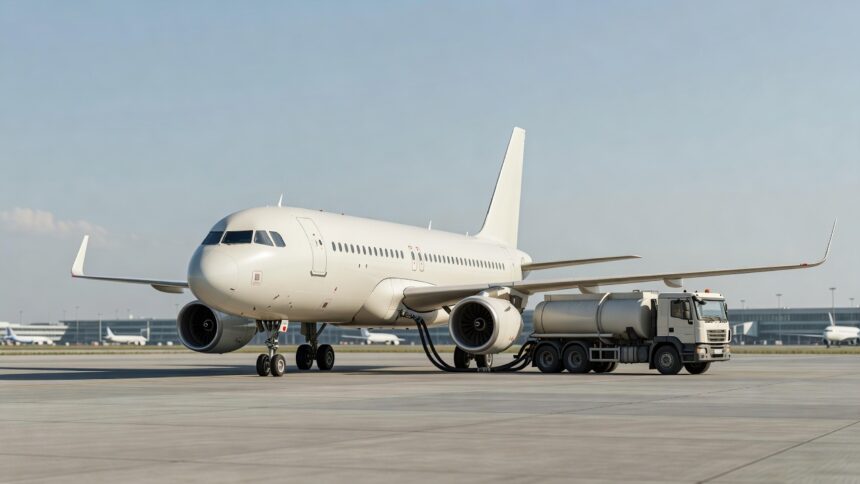


The Iran conflict has compounded pressures on European airlines already recovering from the COVID-19 pandemic, prompting investors and executives to anticipate restructurings, buyouts or bankruptcies among the sector’s weaker players, Reuters reported. British budget carrier easyJet is nearing a US-led takeover that would value the airline far below its pre-pandemic peak, while Latvia’s airBaltic seeks short-term financing to avoid default and Norway’s Norse Atlantic has begun a strategic review, according to the news agency. Financial advisory firm Interpath is currently pitching restructuring plans for four or five large European airlines, its EMEA head Barema Bocoum told Reuters.
The global airline industry halved its profit forecast for 2026 last month, citing the Middle East conflict’s impact on fuel costs and air corridors, an IATA assessment found. The grinding Iran war sparked a huge jump in fuel prices this year, compounding cost pressures that have lingered since the pandemic, bankers, investors and analysts said. “It feels as though the cycle is over almost before it began,” UK-based aviation analyst Rob Morris said.
In response, airlines have tempered expansion plans, with Airbus revising down its 20-year passenger aircraft demand forecast this month as war and trade tensions curbed the post-pandemic rebound, according to the manufacturer. Aviation adviser Bertrand Grabowski noted that carriers are maintaining modest growth in the US, Europe and Southeast Asia, with most being prudent in increasing capacity except for exceptions like Turkish Airlines. Jet fuel costs, which can account for over a third of airline expenses at peak prices, have triggered concerns about financial health, industry data shows.
London-based analyst James Halstead said smaller airlines are probably in danger, warning that failure to generate sufficient cash in the key summer season could prove fatal as many run out of cash by February. Poland’s LOT has long been seen as a consolidation target, Latvia’s airBaltic has seen its bond yields spike indicating higher risk, and Norse Atlantic’s shares have fallen near zero since its 2021 listing, market figures show. LOT stated that its performance over recent years demonstrates the strength of its business model and long-term strategy.
The challenges echo those in the US where Spirit Airlines collapsed in May due to rising costs, and analysts have flagged Wizz Air as vulnerable, according to sector reports. Wizz Air CEO Jozsef Varadi expected more bankruptcies at the end of summer, though the carrier said it has enough liquidity and remains opportunistic to pick up routes. International Air Transport Association director general Willie Walsh told Reuters in June that some carriers will find high fuel prices difficult to cope with and may go out of business or be acquired.
European airlines entered the crisis with hedging covering around 70 to 80 percent of fuel needs, but protection thins later in the year, a Financial Times analysis indicated. Renewed volatility in the Middle East has raised doubts about survival through winter for weaker carriers despite recent stabilisation in jet fuel prices, analysts noted. The industry has shown resilience to past shocks but early warning signals include changes in capacity plans, second-hand aircraft prices and bankruptcy volumes, according to observers.