ع
ع
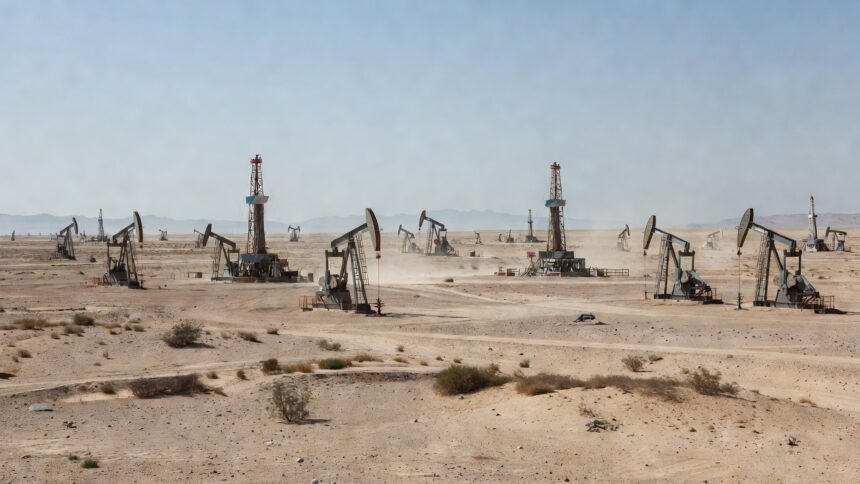


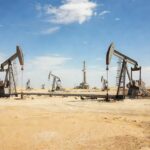
The five-day trip through July 18 centers on one of the most explicit recent efforts to draw substantial US capital into a sector long led by Chinese, Russian and European companies, according to Iraqi and US officials. Negotiations with Chevron over the West Qurna-2 oilfield stand out after Baghdad replaced Russia’s Lukoil as operator, potentially placing one of the country’s most productive assets under American control. The agenda also includes support for US-backed power and liquefied natural gas ventures, security guarantees for operators in the semi-autonomous Kurdistan region and revived export pipeline plans to Mediterranean markets.
An agreement with US-based HKN Energy to develop the Himreen oilfield in northern Iraq won recent cabinet approval, the prime minister’s office reported. The Electricity Ministry gained authorization to complete a comprehensive cooperation pact with General Electric for expanded electricity generation and transmission infrastructure. In a statement ahead of the visit, al-Zaidi said his government had directed the Ministries of Oil, Electricity and Communications to prioritize reputable American companies in energy, telecommunications, technology and development.
US Energy Information Administration data places Iraq’s proved crude oil reserves at 145 billion barrels, equivalent to 9 percent of the global total. Iraq Oil Report figures show nationwide production rose in 2025, with federal fields averaging 4.5 million barrels per day, up from 4.36 million the prior year, even as the country remains bound by OPEC+ output quotas. The producer has at times exceeded its allotted target around 4 million barrels daily and agreed to compensatory cuts within the alliance.
Baghdad-based political analyst Ahmed Younis described the Iran war as a turning point that highlighted the risks of overreliance on any single regional partner. Mohammed Abbas, a former Basra Oil Company manager who now works as an energy consultant, said the recent decisions on Chevron, US operators in Kurdistan and other projects reflect a deliberate policy shift. He added that al-Zaidi is employing the energy sector to strengthen ties with Washington and reverse perceptions among some US majors that Iraq poses a challenging setting for large-scale investment.
Lawmaker Murad Ismael, a member of parliament’s oil and gas committee, noted that the prime minister’s business background helps in efforts to win over American energy companies amid fragile regional security. Iraqi officials said security around key oil installations has been reinforced since the Iran conflict with additional measures to reassure foreign firms. Four Iraqi oil officials familiar with the discussions involving Chevron, ExxonMobil, HKN Energy and others indicated the outreach forms part of a wider push to deepen economic cooperation with the United States.
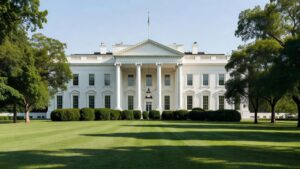
The prime minister, a multimillionaire who assumed office in May, is scheduled to meet US President Donald Trump, who has expressed strong backing for the new Iraqi leader. Such talks are expected to highlight the approved initiatives and ongoing negotiations as Iraq seeks to expand revenues for its rapidly growing population while navigating international production restraints. The government has instructed the state-run Basra Oil Company to exempt US energy firms in current discussions from certain regulatory requirements tied to preliminary agreements.