ع
ع



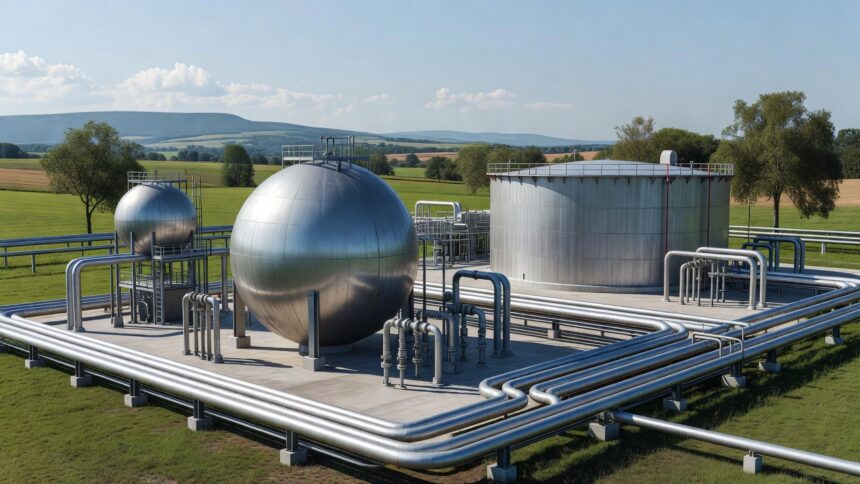


WAM reported that European natural gas prices up by over 5%, driven by supply concerns, with the front-month Dutch TTF futures contract rising as much as 5.6 percent to above 83 euros per megawatt-hour in morning trade. The advance extended a multi-session rally that has carried prices to their highest levels since late 2022. Market participants attributed the move to fears over curtailed liquefied natural gas flows from the Persian Gulf amid ongoing regional conflicts.
Data from Gas Infrastructure Europe showed the bloc’s gas storage facilities stood at 68 percent full in mid-September, below the five-year seasonal average of around 84 percent. The International Energy Agency noted in its second-quarter 2026 gas market report that the closure of key shipping routes had removed nearly 20 percent of global LNG supply and driven price volatility across both European and Asian hubs. European buyers have consequently faced stiffer competition for cargoes from the United States and other producers.
Bloomberg figures indicate that the TTF benchmark has more than doubled since the escalation of Middle East hostilities earlier in the year, although current levels remain well below the peaks recorded during the 2022 energy crisis. In that episode, prices briefly surpassed 300 euros per megawatt-hour before policy interventions and milder weather helped ease the strain. A prolonged spell above 80 euros per megawatt-hour would nevertheless feed through to higher household and industrial energy bills across the continent.
Analysts at Rystad Energy told Bloomberg that developments around the Strait of Hormuz had created uncertainty over LNG deliveries from Qatar, which normally account for a substantial share of European imports. The resulting tightness has already prompted some industrial users to curtail consumption where possible while utilities scramble to secure winter supplies. European Commission officials separately assessed on September 8 that there was no immediate risk of shortages this winter but cautioned that extended disruptions could tighten the global market further.
Trading Economics data places the monthly rise in European gas prices at more than 32 percent and the yearly increase at roughly 154 percent as of mid-September. The European Union has responded by accelerating efforts to diversify import sources and expand domestic storage capacity under revised regulations adopted earlier in 2026. Industry representatives have called for faster permitting of additional LNG terminals to mitigate future supply shocks.
A report from the Agency for the Cooperation of Energy Regulators highlighted that spot and forward prices had doubled from pre-conflict levels and were likely to stay elevated at least into mid-2027 if Gulf supplies remained constrained. Member states have been filling storage at a measured pace while monitoring weather forecasts that could influence heating demand in the coming months. The latest price movements have also spurred renewed discussion among policymakers about accelerating the shift toward renewable generation to lessen reliance on imported fuels.