ع
ع



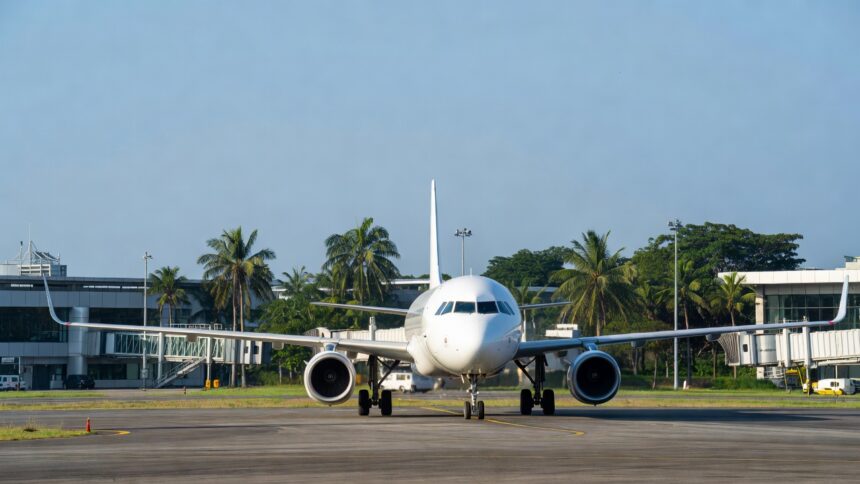


A Reuters report detailed how the region’s low-cost carriers hope the worst of the fuel price shock has passed but face a challenging second half with margins under pressure and strained household budgets weighing on demand. Quarterly results from Malaysia’s AirAsia, Singapore Airlines’ Scoot and the Philippines’ Cebu Pacific showed attempts to recover costs through fare increases fell short. AirAsia and Cebu Pacific recorded net losses while Scoot’s operating loss nearly doubled.
Fuel accounts for a larger share of expenses at budget airlines than at full-service peers, limiting their flexibility to raise prices without denting demand from cost-conscious travelers. An S&P Global Ratings assessment found that jet fuel comprises nearly 40 percent of costs for low-cost carriers in the region compared with about 33 percent at full-service airlines. The agency noted that such carriers entered the period with thinner profitability buffers than their full-service counterparts.
AirAsia plans to cut third-quarter seat capacity by 20 percent to 25 percent year-on-year while returning 25 older aircraft to lessors during 2026 and suspending its Sydney-Kuala Lumpur route from October. Average jet fuel prices reached $183 a barrel in the second quarter. Chief executive Bo Lingam said in a statement that the airline was taking a deliberate tactical approach to protect its bottom line.
Cebu Pacific saw fuel expenses more than double from a year earlier with the impact compounded by an 8 percent weakening of the Philippine peso. Chief executive Mike Szucs said on an earnings call that the second quarter was the most challenging operating environment Cebu Pacific has faced post-pandemic. The carrier has navigated both elevated energy costs and softer consumer demand amid broader economic pressures.
Scoot experienced a near-doubling of its operating loss as the cost surge lifted its break-even load factor to 100 percent against an actual load factor of 90.6 percent. Chief commercial officer Calvin Chan said in a statement to Reuters that the carrier’s fare adjustments had not fully offset higher fuel prices while the Middle East conflict continued to cloud the outlook. The airline continues to adjust its network in response to volatile input costs.
Jet fuel prices had spiked above $240 a barrel in March 2026 amid the regional conflict prompting capacity reductions across Southeast Asia including flight cuts by Vietnamese carriers as earlier reported by Reuters. The sector had otherwise recorded a strong post-pandemic rebound with passenger traffic returning toward pre-COVID levels on many routes. Industry participants anticipate that further stabilization in fuel prices could support resumed expansion by the carriers if demand remains resilient.