ع
ع





The Federal Authority for Nuclear Regulation operates a comprehensive environmental radiation monitoring network across the UAE that collects and analyses samples from air, water, soil and food sources. According to FANR’s annual reporting, the authority published its seventh Independent Environmental Monitoring Report while achieving full acceptance in IAEA proficiency tests for analytical capabilities. The regulator launched the National Environmental Radiation Measurements Portal in July 2026 as a unified digital platform offering real-time and historical measurements alongside laboratory results to authorised users for oversight, research and emergency response.
FANR chairs the national Radiation Protection Committee that coordinates radiological protection initiatives among 16 federal and local entities. The committee contributed to the UAE’s first Research and Development White Paper on Radiological Protection, which sets priorities for AI-enabled monitoring and partnerships with academic institutions. A pilot project on measurement of radionuclides in food, hosted in cooperation with the International Atomic Energy Agency, advanced harmonised national frameworks for routine monitoring during non-emergency periods.
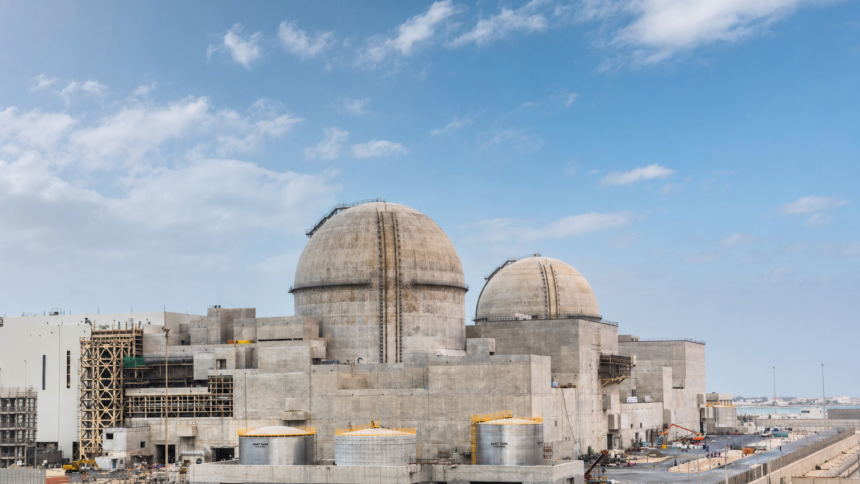
During 2025 the authority conducted 36 inspections at the Barakah Nuclear Power Plant covering safety, security and radiation protection, equivalent to almost 1,300 person-days of regulatory effort. FANR figures show more than 800 additional inspections at medical, industrial and other licensed facilities, resulting in issuance of approximately 1,770 licences and over 1,600 import and export permits for radiation sources. Its Secondary Standards Dosimetry Laboratory completed about 1,600 calibrations for equipment used throughout the country.
The regulator graduated the first group of participants from the National Programme for Qualifying Nuclear and Radiological Emergency Workers, a joint effort with the Ministry of Interior targeting training for 3,000 personnel. FANR participated in 15 national and international emergency drills, including transboundary scenarios, while delivering 10 specialised courses to more than 60 staff members. The authority hosted an official delegation from Ghana to exchange expertise on emergency operations centre functions and integrated preparedness frameworks.
FANR has qualified more than 90 inspectors, of whom 78 percent are Emirati nationals, and established the Emirates Nuclear and Radiation Academy Ambassadors Programme with enrolment exceeding 740 students at the University of Sharjah. The regulator signed 10 memoranda of understanding with national and international partners to advance safety, security and research collaboration. Its 2025 Annual Report also noted the introduction of the Nuclear and Radiation Excellence Award to recognise sector contributions.
International engagement extended to hosting the 8th International Symposium on the System of Radiological Protection, attended by more than 600 experts who examined developments in medical applications, artificial intelligence and environmental protection. FANR maintains a Gamma Monitoring Network that supplies real-time radiation levels as an early warning mechanism for any radiological incidents. These combined measures reinforce the UAE’s regulatory framework while ensuring radiation levels stay within established background norms.