ع
ع





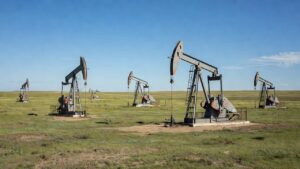
Qatar Tribune reported that oil prices tumbled more than 5 percent in early Asian trading on July 27 after a second consecutive night without US strikes on Iran eased concerns over a broader regional conflict. Brent crude futures fell $4.89, or 5.05 percent, to $91.89 a barrel after briefly slipping below the key $90 support level earlier in the session. US West Texas Intermediate crude futures dropped $4.67, or 5.23 percent, to $84.64 a barrel while both benchmarks traded at their lowest levels in about a week.
According to the same publication, the contracts had rallied over the previous three weeks amid worries about potential supply interruptions from the fighting. The pause in military action raised the prospect of renewed negotiations between the US and Iran. Traders responded by selling off positions that had benefited from the earlier risk premium in crude markets.
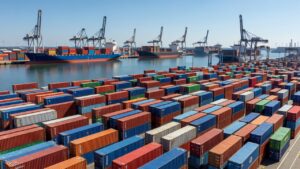
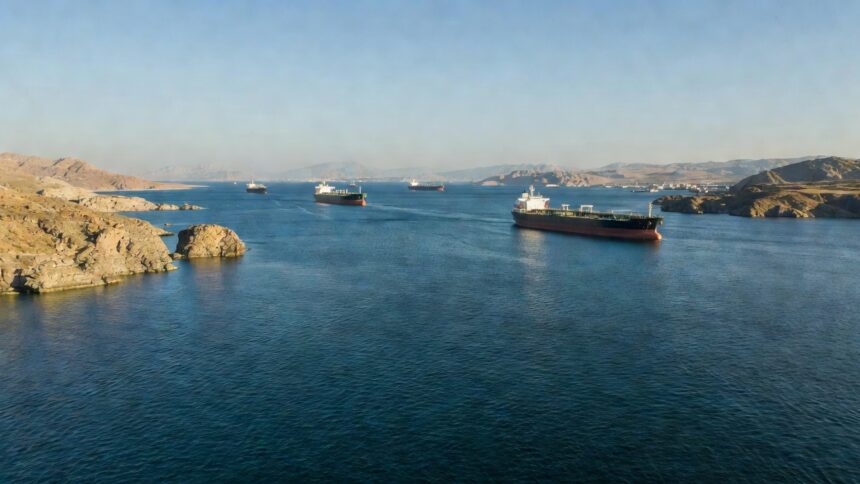
An Associated Press analysis of the market moves indicated that the US-Iran war had sharply curtailed traffic through the vital Strait of Hormuz with ripple effects across the global economy including elevated gasoline prices and increased shipping costs for goods. Oil prices had surged beyond $100 a barrel only the week before as tensions peaked. The latest retreat reflected a rapid reassessment once de-escalation signals emerged.
A Reuters dispatch from October 2025 had already flagged the possibility of an oil surplus in 2026 as OPEC+ ramped up production, a factor that gained prominence once immediate geopolitical threats receded. The International Energy Agency contributed to that assessment by projecting the supply overhang. Such longer-term outlooks appeared to reinforce the downward move in prices during the Asian session.
Wall Street stocks drifted to a mixed close on the day as the decline in oil values unfolded, the Associated Press reported. The S&P 500 and Nasdaq indices stood on track for their second straight monthly loss amid the broader uncertainties. Lower energy costs may eventually support consumer spending but the episode illustrated the persistent linkage between Middle East stability and international commodity trading.