ع
ع



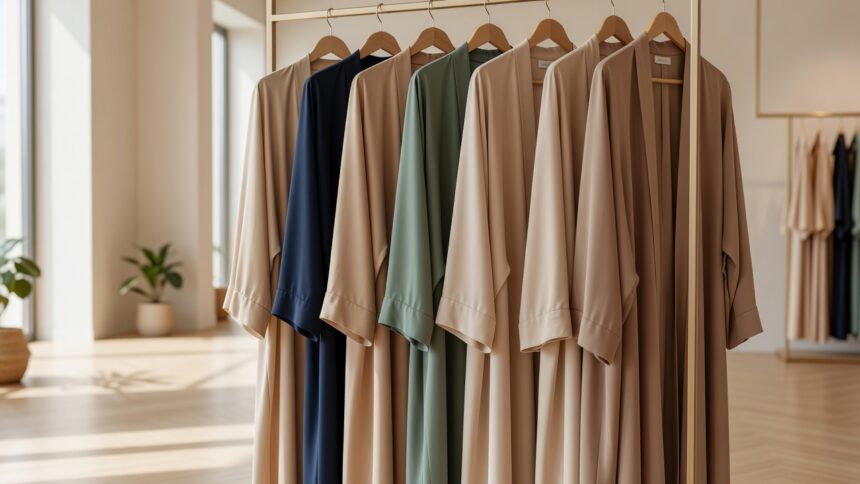


CAS Abaya has developed a significant customer base in Qatar and the wider Gulf since launching in 2020, according to company information. The Dubai-based label offers an extensive range of abaya designs and fabrics with particular emphasis on customization through a team of artisans who maintain strict quality controls. Its pre-order model supports production only after orders are placed, reducing excess inventory while AED 10 from each sale goes to the Red Crescent under the WearHope initiative. Free delivery across the GCC including Qatar has helped the brand reach local consumers seeking premium modest wear options.
Turkish Cupro fabric stands out in the CAS Abaya collection for its smooth texture, elegant drape and breathability suited to the Middle East climate, the company reported. This material proves popular for Ramadan and Eid wear as well as daily use, with the label providing numerous colors and styles that allow full customization from sizes XXS to 6XL. Features such as pockets, side zippers and breastfeeding buttons come at no additional cost on tailored orders that typically take 10 to 12 days to complete. The approach favors pieces intended for long-term wear over short-lived trends.
More than 6,000 customer reviews from the Gulf region and beyond reflect the brand’s reception since its founding, CAS Abaya data shows. The company maintains an online platform for worldwide shipping alongside stores in Abu Dhabi and Ajman while accepting various payment methods including installments. Physical tailoring and attention to detail differentiate its offerings from mass-produced alternatives available in the Qatari market.
A Dataintelo assessment found the GCC luxury modest fashion market reached approximately $8.2 billion in 2025 with abayas forming a leading segment of Islamic clothing sales. Industry analyses project continued expansion in the sector driven by population growth, rising incomes and demand for garments that blend cultural traditions with contemporary tailoring. CAS Abaya’s emphasis on high-grade fabrics and ethical sourcing aligns with broader consumer shifts toward sustainable choices in the region.
Market Research Future projections place the global Islamic clothing market on track to grow from current levels to nearly $500 billion by 2035 at a compound annual growth rate exceeding 5 percent. Within this landscape Qatar has seen increased interest in premium abaya brands that prioritize comfort and versatility for professional and social settings. CAS Abaya has responded by curating collections that stress timeless silhouettes rather than seasonal embellishments.
The brand’s materials describe its commitment to eco-friendly packaging and lighter carbon footprint through made-to-order production, according to its website. Such practices have contributed to its reputation among customers balancing modern lifestyles with modest fashion preferences in Qatar. CAS Abaya continues to promote these elements as it engages with the local market through digital channels and regional delivery networks.