ع
ع



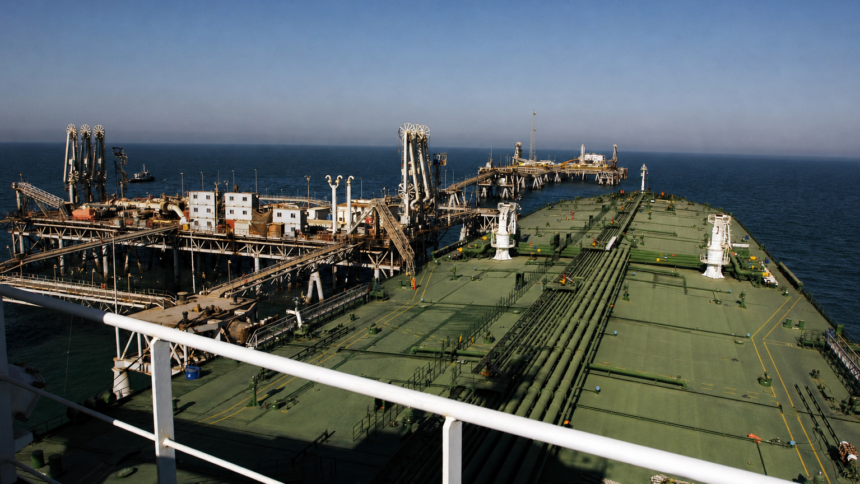


The Emirates News Agency reported that oil prices advanced during trading on September 30 with the Brent benchmark reaching $103.73 per barrel. West Texas Intermediate crude gained ground to $89.50 per barrel according to market data cited in the report. The increases came as traders weighed signs of recovering exports against ongoing geopolitical uncertainties in the Gulf region. Brent recorded a monthly gain of around 14 percent while WTI was set for a 4 percent rise the agency noted.
Reuters reported that oil prices rose for a second successive session as lingering concern over Middle East supply disruption from the US-Iran conflict outweighed recovering crude exports from the region. Crude exports from major Middle Eastern producers climbed to 12.8 million barrels a day in September the highest since February according to preliminary figures from data provider Kpler. The data showed the increase was helped by higher shipments from Saudi Arabia and the United Arab Emirates. Kpler figures also indicated that much of the export recovery still depends on less efficient methods.
KCM Trade chief analyst Tim Waterer said “A clearer picture is emerging of higher oil export volumes leaving the Gulf but much of that increase still relies on workarounds such as ship-to-ship transfers. Those methods are less efficient and more costly than normal operations which is why crude prices remain elevated.” The war that began in late February with US and Israeli attacks on Iran has focused attention on the Strait of Hormuz a crucial shipping lane for oil and gas supplies according to the Reuters dispatch. Further talks between US and Iranian officials are expected to focus on an amended version of a seven-day proposal that Iran presented last week.
The International Energy Agency forecast that world oil demand will decline by 2.5 million barrels per day in 2026. The agency attributed the contraction to the continuing impasse in negotiations between the United States and Iran that delays normalisation of flows into next year as well as elevated fuel prices. Global oil supply is projected to average 100.7 million barrels per day this year a drop of 5.7 million barrels per day from 2025 levels the IEA assessment found. Losses are concentrated in middle distillates and petrochemical feedstock products especially in Asia according to the report.
The Oxford Institute for Energy Studies projected that global oil supply will fall by 5 million barrels per day to 100.4 million barrels per day in 2026 before rebounding in 2027. The institute noted that oil prices have materially strengthened since July as expectations of a rapid restoration of Middle East Gulf supplies have given way to a more prolonged disruption. Global oil demand is projected to contract by 850000 barrels per day this year before growth rebounds to 2.4 million barrels per day in 2027 the OIES outlook stated. Depleted stocks and acute middle distillate shortages have increasingly been reflected in physical markets according to the institute.
Bank of America raised its forecast for Brent to an average $83 per barrel during the second half of 2026 citing continued disruption through the Strait of Hormuz. The US is considering regulatory relief to allow broader sales of red-dyed diesel to help lower prices a step that could allow some buyers to avoid federal fuel tax according to people familiar with the discussions. The developments come as the Dated Brent physical market benchmark reached $114 per barrel on increased buying from Asia that has tightened supplies Reuters compilations showed. Such movements have raised concerns about the effect of elevated energy costs on global inflation consumer spending and monetary policy.