ع




The Statistical Centre for the Cooperation Council for the Arab States of the Gulf issued its 2025 energy indicators on November 9, 2026, showing that global demand for GCC crude oil achieved an average annual growth rate of 3.1 percent during the period from 2021 to 2025. According to the centre’s weekly bulletin, crude oil production across the six member states rose 5 percent in 2025 compared with the prior year to total 16.9 million barrels per day. GCC-STAT data place this output at 22.5 percent of global production, reflecting the Gulf region’s enduring weight in international energy supply chains.
GCC-STAT figures show that the bloc’s crude oil production stood at 16.0 million barrels per day in 2021 and climbed to 18.2 million barrels per day in 2022 before settling at 17.0 million in 2023, 16.1 million in 2024 and 16.9 million in 2025. The centre’s bulletin attributed the fluctuations to alignment with global market conditions and coordinated output policies among producers. A separate GCC-STAT assessment found that these levels have sustained the region’s contribution to worldwide supply stability.
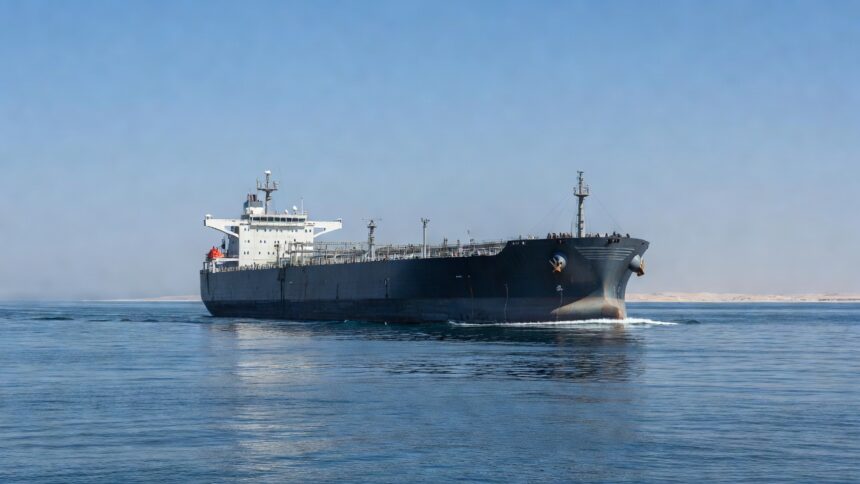
The GCC Statistical Centre reported that crude oil exports from the member states reached 12.2 million barrels per day in 2025, representing 27.3 percent of total global crude exports after a 6.1 percent increase from the previous year. GCC-STAT data indicate that this export performance strengthens the area’s position in meeting international market requirements. The bulletin noted the importance of reliable GCC supplies amid ongoing transformations in global energy markets.
In natural gas, the GCC-STAT bulletin placed 2025 production at 460.9 billion cubic metres, accounting for 10.6 percent of global output with an average annual growth rate of 2 percent across the 2021-2025 interval. The centre’s statistics highlight the role of Gulf gas resources in addressing worldwide energy demand and supporting domestic industrial activity. GCC-STAT figures confirm consistent expansion in this segment in parallel with broader economic objectives.
GCC-STAT said member states have introduced national strategies to expand renewable energy adoption and lower emissions, with targets differing by country including Saudi Arabia’s goal of 50 percent renewables by 2030 and 30 percent for both Oman and Kuwait by the same year. The bulletin outlined the United Arab Emirates’ aim of 35 percent by 2031, Bahrain’s 20 percent by 2035 and Qatar’s 18 percent by 2030. These plans form part of a measured transition approach while hydrocarbon production continues, according to the centre.
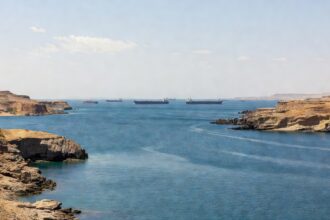
The International Energy Agency reported that nearly 15 million barrels per day of crude oil passed through the Strait of Hormuz in 2025, comprising about 34 percent of global crude trade with most volumes sourced from GCC countries and directed toward Asian destinations. IEA data show that China and India received 44 percent of those exports combined. The agency placed total oil flows via the strait, including products, at around 20 million barrels per day last year.
OPEC statistics indicate its members exported an average of 19.85 million barrels per day of crude in 2025, with GCC producers forming a substantial portion of the total and directing 14.79 million barrels per day to Asia. The organisation’s records align with GCC-STAT findings on the bloc’s 22.5 percent share of global production. Combined, the data from both bodies affirm the Gulf’s central function in global oil trade.