ع




The African Development Bank has published a policy note that identifies private sector-led investments as a driver of stability in Libya more than a decade after conflict left its economy fragile. Titled Investment for Peace and Prosperity: Leveraging Libya’s Private Sector for Resilience and Inclusive Growth, the document draws on consultations with 39 stakeholders and highlights how entrepreneurs, traders and micro, small and medium enterprises have sustained supply chains and preserved livelihoods across politically divided regions. The bank said business activity is already functioning as a stabilising force, and the note introduces a peace-positive investment framework to support recovery, job creation and resilience.
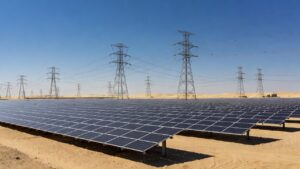
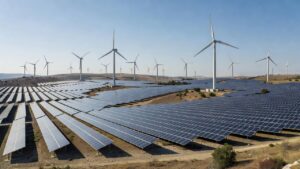
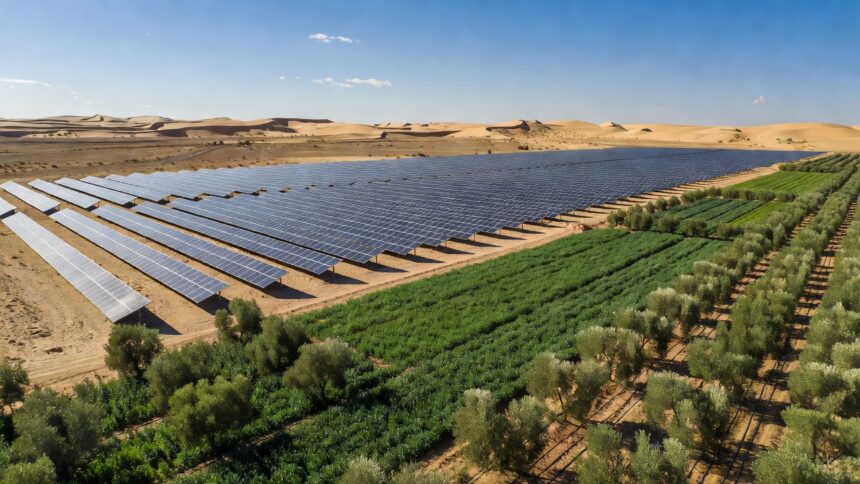
According to the African Development Bank assessment, the analysis confirms no shortage of economic opportunity in Libya but stresses the need for a credible framework to unlock it. The recommendations are organised around three pillars: strengthening the institutional and data framework for private sector development, operationalising a public-private partnership model suited to fragile environments, and empowering MSMEs through credit-guarantee facilities, digital financial services, alternative credit-scoring models and diaspora co-investment instruments. Priority sectors identified include agribusiness, fisheries and renewable energy, which offer the reach and employment potential to deliver concrete peace dividends while enhancing regional cohesion.
Malinne Blomberg, the bank’s country manager for Libya and deputy director general for North Africa, said in a statement accompanying the May 11, 2026, release that the policy note provides the framework and positions the AfDB to play a catalytic role in Libya’s recovery at a moment of renewed institutional momentum. The bank called for a National Private Sector Development Coordination Platform to improve coordination, a Credit Guarantee and Risk-Sharing Facility for MSMEs, and a National MSME and Innovation Network linking incubators, chambers of commerce, universities and business associations. These measures aim to address constraints while building on the private sector’s demonstrated resilience.
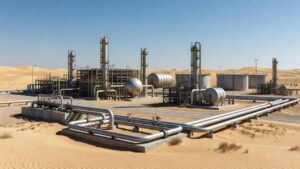
World Bank data shows oil and gas accounted for 65 percent of Libya’s GDP, 93 percent of exports and 72 percent of government revenues in 2024, underscoring the urgency of diversification. A unified national budget of 190 billion dinars, the first since 2013, was approved earlier this year by rival legislative bodies, signalling greater convergence on economic priorities according to reporting by the Foreign Affairs Observer. The AfDB policy note argues that targeted investments in non-oil sectors can reduce fragility by stimulating jobs and inter-regional linkages.
The United Nations Development Programme has similarly mapped opportunities in tourism, technology, renewable energy, transit trade, food industry and finance through collaboration with Libya’s Ministry of Economy. Its work emphasises removing barriers for private sector participation and establishing supportive regulatory frameworks to achieve sustainable growth. The AfDB document complements these efforts by focusing on foreign direct investment, diaspora engagement and institutional reforms to catalyse private sector recovery.
A 2026 investment climate statement from the US Department of State notes that despite challenges, Libya’s government has shown interest in attracting foreign investment through laws offering tax exemptions, customs relief and incentives for qualifying projects. The AfDB note maps how public-private partnerships and financing instruments can be adapted to fragile contexts to support sustainable livelihoods. Implementation of the sequenced pathways could help lay foundations for a more diversified and inclusive economy that transcends political divisions.