ع




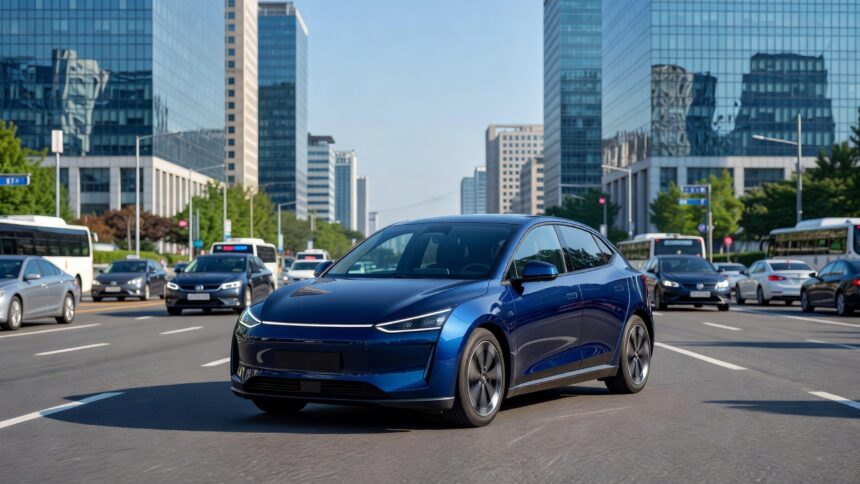


Reuters reported on October 30 that Chinese automakers have made measurable progress in South Korea’s expanding electric vehicle segment while encountering persistent obstacles in Japan where consumer skepticism and minimal EV uptake have limited their footprint. The disparity stems in part from adoption rates with roughly one quarter of new cars sold in South Korea this year classified as EVs compared with 3 percent in Japan according to industry data. Chinese manufacturers have demonstrated success in constructing dealer networks over multiple years and modifying vehicles to align with local expectations according to assessments by industry executives and analysts.
Market research firm Carisyou data show BYD moved more than 20,000 vehicles in South Korea across the January to September period thereby exceeding the combined total for Toyota and its Lexus brand. The Chinese producer has risen to become the country’s fourth best-selling automotive brand in only its second year of operations placing it behind Tesla Mercedes-Benz and BMW. Senior analyst Lee Jae-il at Eugene Investment & Securities stated that BYD has capitalised on South Korean appetite for lower-cost electric models amid supply constraints for some domestic alternatives.
Seoul resident Kim Min-seon purchased a BYD Dolphin compact EV priced around $18,500 in July after learning she would face a wait exceeding two years for a comparable Hyundai Casper model. Kim told Reuters that acquaintances reacted with surprise asking why she had chosen a Chinese vehicle and whether she was placing herself at risk. Content creator Lee Seong-dong has similarly adopted a BYD electric vehicle reflecting a gradual shift in perceptions that only a few years ago routinely dismissed Chinese cars on quality grounds.
In Japan where BYD commenced sales in 2023 the company has assembled a network of more than 75 dealerships with plans to reach 100 outlets yet its volumes have remained subdued. The automaker delivered fewer than 4,000 cars during the first nine months of the year capturing only 0.1 percent of the overall market according to the Reuters dispatch. A July launch of a boxy EV tailored to the kei minicar category dominated by Japanese producers has yet to generate substantial momentum.
Consumer doubts over build quality and safety continue to weigh on Chinese brands in Japan where historical frictions between the nations compound wariness toward imports from China. One influential Japanese lawmaker has questioned whether over-the-air software updates in EVs could introduce national security vulnerabilities the report noted. These factors have kept sales muted even as BYD and peers invest in local presence.
The Reuters article highlighted that South Korean purchasers frequently point to extended waiting periods for homegrown models and a shortage of competitively priced EV choices as drivers behind their selections. This dynamic has enabled Chinese entrants to secure a foothold in a market long led by Hyundai and Kia. Japanese buyers by comparison exhibit firmer allegiance to domestic manufacturers many of which have prioritised hybrid technology over full battery electric vehicles.