ع




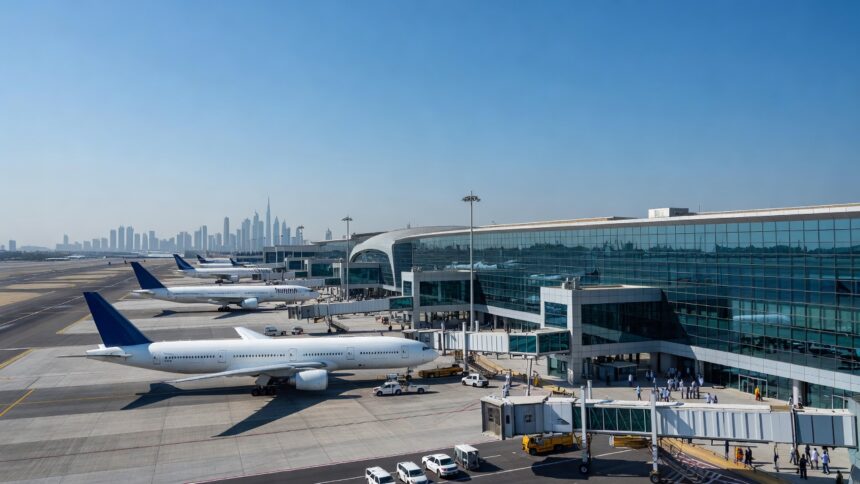


According to the Emirates News Agency, Emirates enters winter season with strong booking momentum as the carrier prepares for increased travel demand during the cooler months ahead. The Dubai-based airline has observed particular strength in forward bookings for leisure and business destinations alike, prompting adjustments to its schedule. This positive trend builds on the carrier’s recovery trajectory since global travel restrictions eased, with executives noting encouraging signs for the season that typically runs through March.
International Air Transport Association figures show worldwide revenue passenger kilometers grew by nearly 9 percent year on year in the first half of 2026, providing a supportive backdrop for Gulf carriers like Emirates. The airline has responded by increasing seat offerings on several long-haul routes that historically perform well in winter. Such capacity additions allow Emirates to accommodate higher passenger volumes without compromising its hub operations in Dubai.
Emirates’ Chief Commercial Officer Adnan Kazim stated in the WAM report that the booking patterns reflect travelers’ renewed appetite for seasonal escapes and family visits. He highlighted strong interest in cities across Europe, where festive markets and winter events draw visitors from around the globe. The carrier continues to refine its network to align with these preferences while maintaining connectivity to key markets in Asia and the Americas.
A separate assessment from aviation consultancy Cirium placed Emirates among the top performers in terms of network resilience and passenger recovery metrics through mid-2026. The airline’s fleet strategy, including deployment of wide-body aircraft on high-demand sectors, has supported this performance. Industry data further indicates that stopover traffic at Dubai International Airport has contributed measurably to overall load factors during previous winter periods.
WAM reported that Emirates has already adjusted frequencies to popular winter sun destinations in addition to its traditional European gateways. These modifications form part of a broader effort to optimize operations amid fluctuating fuel costs and regulatory requirements. The airline’s approach has drawn on lessons from prior seasons when similar booking surges translated into higher passenger yields.
Central Bank of the United Arab Emirates economic indicators point to sustained growth in the tourism and aviation sectors, which together account for a significant share of non-oil GDP. Emirates’ winter performance is expected to reinforce this contribution as the season unfolds. The carrier has stopped short of releasing precise booking percentages but described the overall momentum as exceeding internal forecasts.