ع




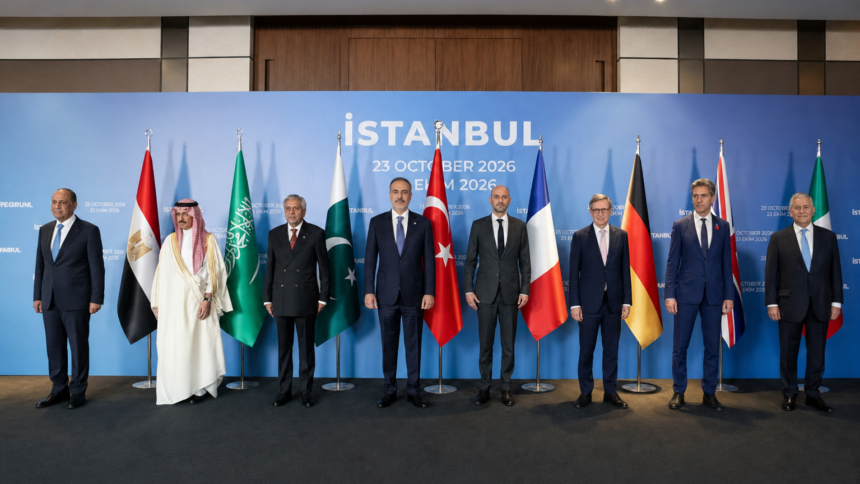


The Egyptian Foreign Ministry issued statements on Wednesday detailing the discussions, which centered on containing an ongoing crisis and averting further escalation across the Middle East. During the call with the Saudi foreign minister, Abdelatty highlighted the value of political and peaceful solutions advanced through dialogue. The two officials agreed to sustain close bilateral consultations alongside coordination through a four-way ministerial mechanism that also includes Turkiye and Pakistan. This platform focuses on de-escalation and backing political fixes for various regional flashpoints.
In parallel talks with the UAE foreign minister, the participants stressed the importance of unified action among regional states. Abdelatty stressed the need for regional countries to unite their efforts to reach peaceful solutions and return all parties to a peaceful political track to prevent the region from sliding into a more dangerous phase of the current crisis, the ministry said. The conversation additionally touched on strengthening existing strategic partnerships between Egypt and the UAE while addressing shared security concerns. The Egyptian Foreign Ministry framed these exchanges as part of broader diplomatic outreach.
The phone calls followed Egypt’s parliament granting a mandate the previous day for President Abdel Fattah al-Sisi to support Saudi Arabia in defending its territory, sovereignty and holy sites, according to the Egyptian Foreign Ministry. The two-thirds majority vote signals Egypt’s deepening security alignment with the kingdom. The Egyptian Foreign Ministry has long maintained that the security of Gulf states is inseparable from Egypt’s own national security priorities.
The four-way mechanism involving Egypt, Saudi Arabia, Turkiye and Pakistan held a recent meeting in Istanbul where participants reiterated priorities such as safe navigation and stability in Palestine, a post on the Egyptian Foreign Ministry’s official X account stated. Abdelatty joined that session and emphasized the value of US-Iran dialogue in reducing tensions. Mediation initiatives continue around disagreements concerning the Strait of Hormuz, with the latest calls reinforcing a commitment to diplomatic pathways.
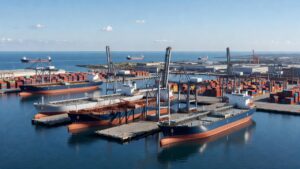
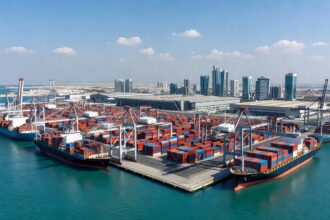
These diplomatic engagements occur as the region navigates complex challenges that could disrupt key maritime routes vital for energy trade and global commerce, according to assessments by regional economic bodies. The Egyptian Foreign Ministry noted that sustained coordination among the involved parties remains essential to limiting the crisis’s wider impact. Regional economic stability depends in part on successful de-escalation, particularly given the interconnected trade networks spanning the Gulf and beyond.
The ministers also exchanged views on related situations in Gaza, Lebanon and Sudan during the discussions, the Egyptian Foreign Ministry said. They voiced support for diplomatic resolutions aimed at preserving stability in each area while rejecting measures that could fragment state institutions. The Egyptian Foreign Ministry said the talks underscored the linked nature of these files and the need for consistent follow-up among partners.