ع


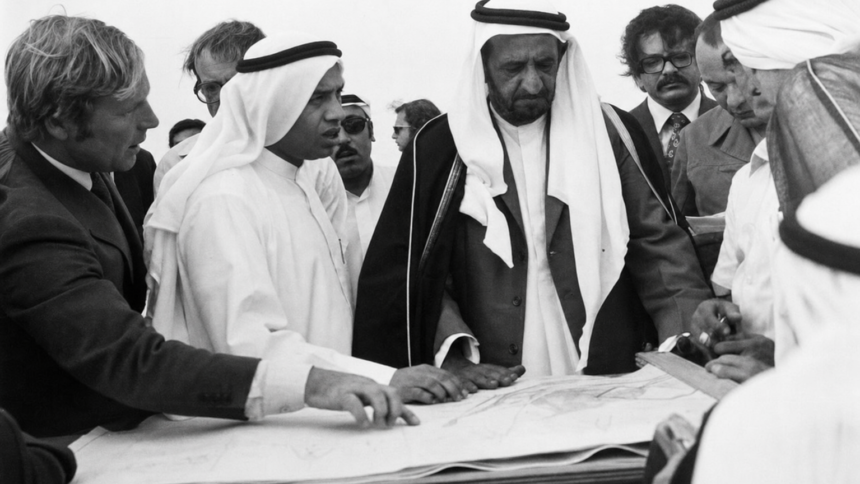


The death of Majid al-Futtaim in 2021 triggered a bitter dispute among his heirs over the conglomerate he built, leading the government to restructure the group last summer. Futtaim had opened his first shopping mall in Dubai in 1995 after falling out with his cousin, an episode that required intervention by the royal family. His empire grew to encompass malls, hotels and real estate across the region. The case illustrates the messy transitions that can occur without clear succession frameworks, The Economist reported.
In Saudi Arabia almost two-thirds of family firms do not have a succession plan, according to the National Centre for Family Businesses. Large families with multiple wives and children add complexity, as do Islamic inheritance laws that give males larger shares because they are expected to support wives and mothers. Tensions are reported to be building at a number of prominent Saudi family companies.
Nine in ten UAE business owners struggle to divide assets fairly compared with six in ten worldwide, a UBS survey found. This comes as the region prepares for its first major wave of intergenerational transfers, with many businesses facing such a handover for the first time. McKinsey consultant Francesco Malatesta said the scale of the shift will test established family structures.
The Dubai International Financial Centre assessment projected that by 2030 about one in four Gulf estates will transfer without predefined rules, potentially leaving $49 billion in capital unclaimed and $123 billion caught in legal proceedings. Such outcomes could damage economic stability if widespread, officials have warned. By 2035 between $500 billion and $700 billion is expected to move from founders to heirs across the region.
A Deloitte 2026 report placed the global share of family businesses without thorough succession plans at almost half, with just 48 percent confident in leadership readiness for transition. In the Middle East fewer than one in five families maintain a comprehensive succession plan and almost half have postponed the process, Lombard Odier data from 2025 indicated. Governments are encouraging formal governance to avert prolonged disputes and safeguard the contribution of these firms to local economies.
Industry publication AGBI has reported that Gulf heirs are building independent legacy brands to pursue new sectors without endangering established family reputations. This trend coincides with demands for greater transparency and regulatory compliance as families seek foreign partnerships. Experts have emphasised the need for disclosure and proper family offices to manage the transition smoothly.