ع




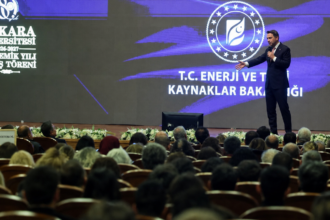
Suhail bin Mohammed Al Mazrouei outlined the UAE’s energy development plans in statements to the Emirates News Agency on October 21 2026. The minister said the country is advancing its energy sector through diversification of production sources expansion of clean energy initiatives and higher consumption efficiency. According to Al Mazrouei these steps guarantee supply reliability while matching rising demand and bolstering national economic competitiveness. The comments came as the UAE highlighted recent gains in renewable capacity and targeted investments.
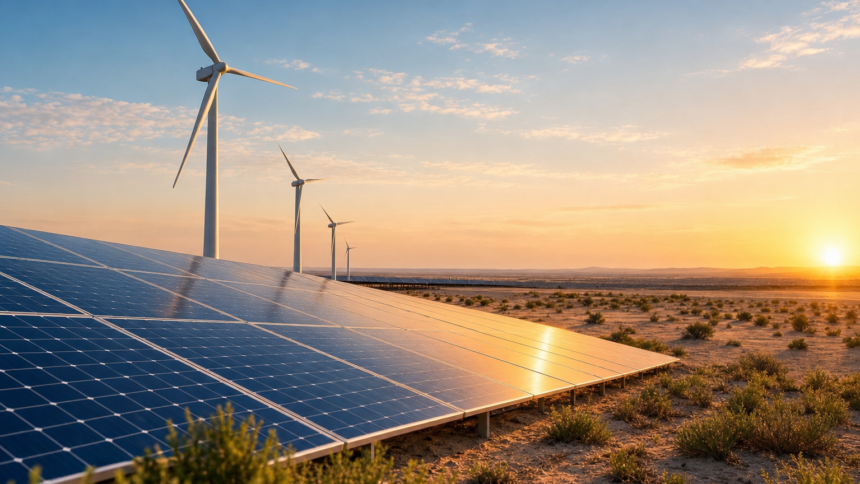
Al Mazrouei told the Emirates News Agency that the UAE’s renewable energy production capacity has grown more than 63 times over ten years from 129 megawatts in 2015 to more than 8.2 gigawatts in 2025. The minister added that clean energy accounted for 32.4 percent of electricity production in 2025 with a target to reach 35 percent by 2031. He noted that projects under development will lift total renewable capacity above 23 gigawatts by 2031. The figures reflect the pace of transformation in the national energy system according to the minister.
National investments in clean and renewable energy projects are set to reach 200 billion dirhams by 2030 Al Mazrouei stated in the Emirates News Agency briefing. The minister explained that these funds will support new clean energy schemes meet economic and population growth needs and increase private sector participation through expanded partnerships. He emphasised that directing investments toward production capacity helps fulfil national energy goals and enhances the system’s ability to respond to development requirements. The approach integrates the National Hydrogen Strategy 2050 into overall energy planning the minister added.
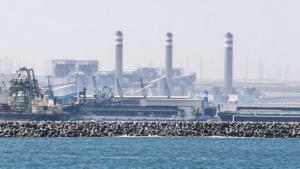
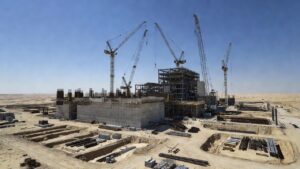
Barakah nuclear power stations contribute 5.6 gigawatts of capacity and supply 25 percent of the UAE’s electricity needs Al Mazrouei reported. The minister said the plants avoid 22.4 million tons of annual emissions supporting both supply reliability and clean energy growth. He pointed to the combination of renewables and peaceful nuclear power as a key element in diversifying the energy mix. Such national megaprojects form the foundation for the strategy the minister described.
The target capacity for Mohammed bin Rashid Al Maktoum Solar Park has been raised 60 percent by 2030 according to Al Mazrouei’s statements to the Emirates News Agency. The minister highlighted that Masdar has expanded its international investments as part of broader efforts to strengthen clean energy capabilities and strategic partnerships. He noted that the UAE ranks as the fastest growing market for clean and renewable energy in the region. These developments align with reductions in energy consumption by 43 percent and water use by 50 percent targeted for 2050 the minister said.
An International Energy Agency review of Middle East energy trends shows the region is on track to invest about $130 billion in oil and gas supply in 2025. The IEA data places clean energy generation investment in the Middle East at around $10 billion for the same year with renewables and nuclear now representing nearly 15 percent of the mix up from 2015 levels. The assessment found that foreign sources account for about 40 percent of upstream investment in the UAE. Al Mazrouei’s briefing tied these regional patterns to the UAE’s dual focus on traditional and clean sources for long-term supply security.