ع
ع





The WAM news agency reported the increase in oil prices that took Brent to $106.58 per barrel. The benchmark gained nearly $2 from the previous close according to trading platforms monitored by major wire services. This move pushed values to their highest level since September 15 as traders focused on developments in the Middle East.
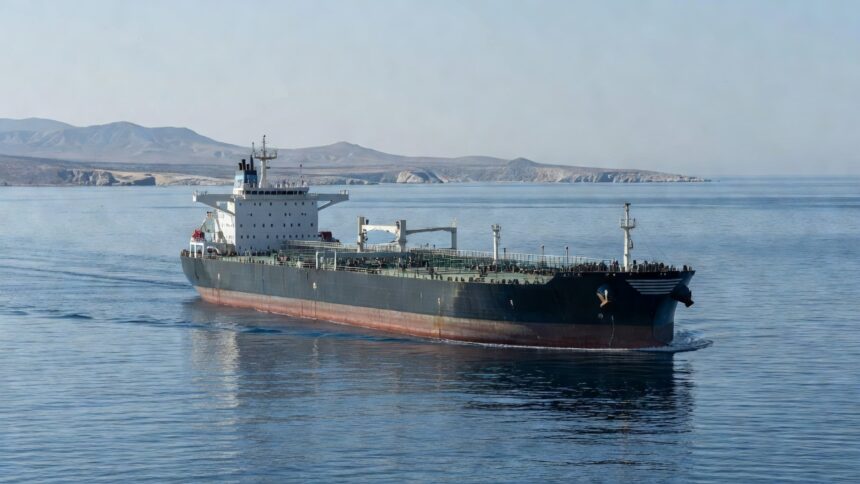
Reuters reported that the Iran-aligned Houthis claimed responsibility for a strike on Riyadh’s international airport over the weekend. The attack resulted in 13 deaths and more than 300 injuries, the news service stated. Two separate tanker incidents were also recorded, one near Oman’s Sohar and another in the Strait of Hormuz.
Analyst Louis Navellier noted that the airport strike would obviously escalate retaliation against the Houthis in Yemen. His comment came in a note circulated to investors as prices reacted to the news. The incidents have forced market participants to reassess the security of oil production and export facilities in the region.
The US Energy Information Administration has projected world petroleum production dropping to 101.1 million barrels per day in 2026. This outlook reflects the impact of conflicts that have already reduced flows through the Strait of Hormuz, which once carried about 20 percent of global oil supplies. Demand is expected to settle at 102.4 million bpd next year as well, according to the EIA monthly assessment.
Goldman Sachs adjusted its December Brent forecast upward to $90 per barrel, incorporating a risk premium of just over $20. The bank’s note highlighted how geopolitical events continue to support elevated pricing even as some production recovers. OPEC+ has maintained production levels in response to these conditions, according to statements from the group.
Bloomberg data indicates that oil has remained near or above $100 per barrel despite partial recovery in Middle East output levels. Freight rates have surged, adding to the effective cost of delivered crude for buyers around the world. The combination of physical supply threats and higher transportation expenses has sustained the bullish tone in futures trading.