ع
ع



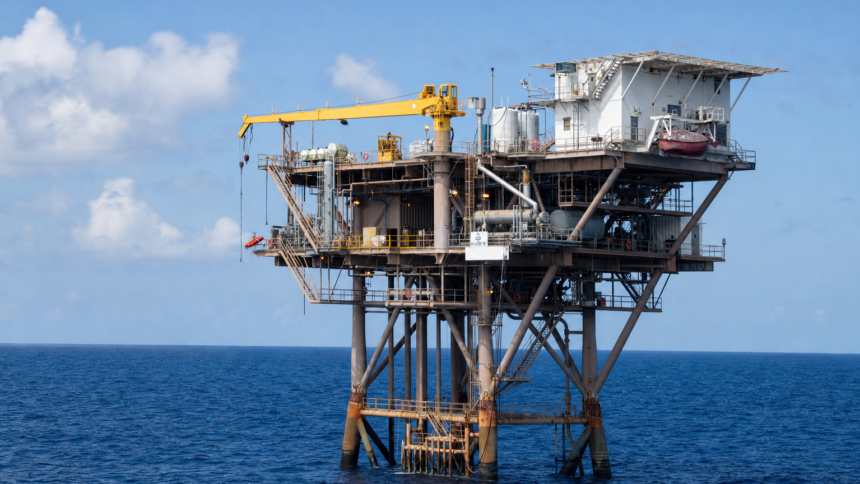


Reuters reported that oil prices settled higher on Friday as Hurricane Isaias churned toward the northern Gulf of Mexico and oil companies shut more than 62 percent of crude production in US waters. Brent crude futures settled at $104.72, up 44 cents or 0.42 percent. US West Texas Intermediate crude futures finished at $91.85 a barrel, up 36 cents or 0.39 percent. Both contracts headed for a weekly gain despite volatility tied to developments in the Middle East.
The US Marine Minerals Administration data places the shut-in volume at roughly 1.3 million barrels per day. Plans by China to resume refined fuel exports after a brief halt during its Golden Week holiday also weighed on the market according to the news agency. Threats to shipping in the Gulf and the Strait of Hormuz have increased in recent days. The waterway carried shipments equal to about 20 percent of global oil and fuel before the war.
US President Donald Trump said on Thursday that Washington was having productive discussions with Iran and that no attack was planned before the November 3 midterm congressional elections. The comments eased some immediate supply concerns. The ongoing conflict has fanned renewed fears of energy-driven inflation as prices for natural gas and diesel also surge. Reuters noted that the Iran war and the conflict between Russia and Ukraine have disrupted supplies of refined fuels such as gasoline, jet fuel and especially diesel fuel.
A Reuters assessment found that OPEC oil output fell by 640,000 barrels per day in August. The organization sees demand rising by 380,000 barrels per day in 2026. Global inventories of crude and refined products have fallen by about 555 million barrels since the conflict began according to JP Morgan data. The bank indicated that significant inventories remain available particularly in China, Europe, Japan and South Korea.
The US Energy Information Administration raised its oil price forecasts for this year and next as the Iran war drains global stockpiles. The agency now expects Brent to average about $91 a barrel this year. JP Morgan has indicated that there is still enough dry powder in inventories to keep prices contained for now. Prolonged Middle East supply disruptions could nevertheless move prices higher later this year as inventories decline further.
Analysts have pointed to the vulnerability of the oil market after months of supply losses due to the conflict. Oil prices have climbed above $100 a barrel at times amid the tensions Reuters reported. The hurricane-related cuts added to the upward pressure in the latest session while attacks on tankers in the Strait of Hormuz have risen to their highest level since the war began.