ع




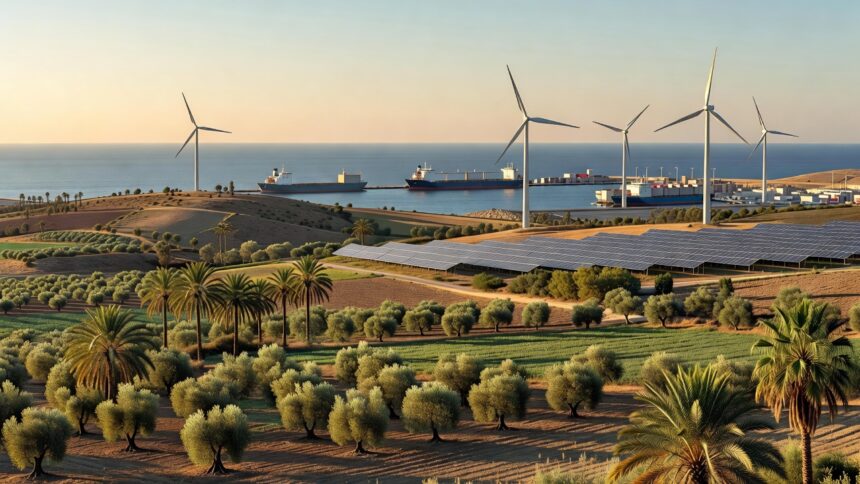


A 2026 policy note from the African Development Bank identified agribusiness, fisheries and renewable energy as sectors with strong potential to generate jobs, foster regional linkages and attract private investment in Libya. The assessment found that these areas could deliver immediate peace dividends by absorbing labour from micro, small and medium-sized enterprises while reinforcing economic connections across the country’s regions. Libya’s private sector has shown resilience despite ongoing institutional fragmentation and regulatory challenges, according to the same African Development Bank review. The note recommended leveraging diaspora networks as an untapped source of capital and expertise to accelerate recovery.
Libya’s nominal gross domestic product reached 48.1 billion dollars in 2025 while the economy is forecast to expand by 6.9 percent in 2026, World Bank figures show. Hydrocarbon exports continue to dominate, accounting for the overwhelming share of government revenue and foreign earnings, a pattern that has persisted since before the 2011 conflict. The World Bank has repeatedly highlighted the risks of this undiversified structure, noting that instability has eroded development gains and limited institutional capacity in the oil-rich North African state.
Foreign direct investment inflows have remained subdued since the 2011 upheaval, with the African Development Bank placing much of the blame on foreign exchange restrictions, security concerns and opaque regulations. The bank advocated for transparent public-private partnership frameworks and updates to outdated investment laws to rebuild investor confidence. Such reforms could unlock opportunities in reconstruction projects, including a proposed 1,750-kilometre coastal infrastructure corridor linking Egypt to Tunisia that has already secured initial contracts, the African Development Bank report indicated.
The Organisation for Economic Co-operation and Development concluded a multi-year project in 2023 that promoted public-private dialogues across banking, agribusiness, information technology, infrastructure and logistics. Libyan stakeholders participating in the OECD initiative identified streamlined licensing, improved financial governance and better coordination between national and local authorities as prerequisites for attracting international partners. These dialogues produced shared priorities aimed at reducing reliance on oil while expanding non-hydrocarbon trade and investment flows.
Regional integration through agreements such as the African Continental Free Trade Area offers Libya a pathway to expand markets for dates, olives and livestock while developing transport corridors, according to United Nations Economic and Social Commission for Western Asia assessments incorporated in the African Development Bank note. The World Bank has similarly urged completion of regulatory reforms to facilitate foreign direct investment and public-private partnerships in post-conflict reconstruction. Implementation of these measures would require sustained commitment from Libyan authorities and international partners to overcome political fragmentation that has slowed progress since 2021.
Recent industrial projects illustrate the potential benefits of foreign collaboration, with Turkish and Libyan firms constructing what is billed as one of the world’s largest direct reduced iron complexes near Benghazi. The initiative, which includes plans for associated port facilities and food processing plants, aligns with broader efforts to supply European markets seeking lower-carbon steel inputs, industry reports reviewed by the World Bank have noted. Such ventures demonstrate how international business can transfer technology, create employment and reduce import dependence in a country where the import bill has risen sharply in recent years.