ع
ع



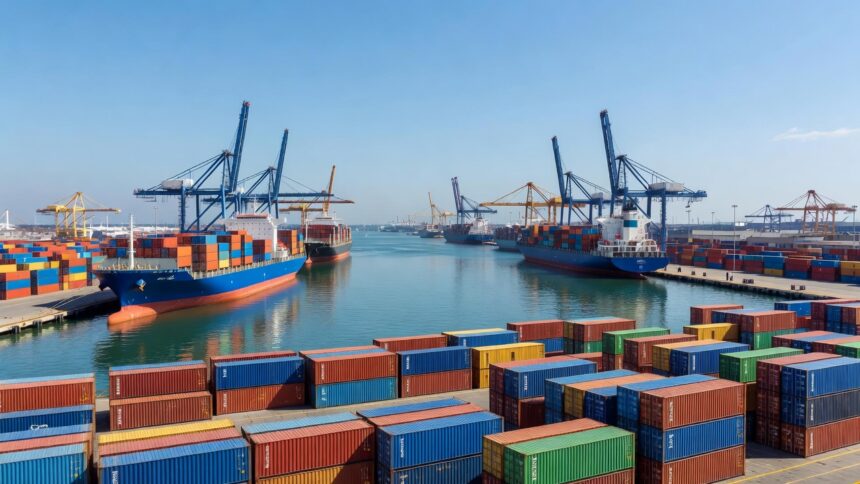


China’s trade surplus exceeded 1.2 trillion dollars last year, marking a new record even as the country navigated complex international relations, according to economic assessments. Exporters managed to offset any declines in shipments to the United States by expanding sales to other destinations around the world. This resilience comes as global attention turns toward the expected summit between President Donald Trump and President Xi Jinping.
The leaders are scheduled to meet in Washington on September 24 after Trump extended the invitation during their May meeting in Beijing, a development confirmed by multiple diplomatic readouts. Their earlier encounter in Busan, South Korea, in October 2025 laid the groundwork for a temporary trade truce that included suspensions on certain export controls. Building on that foundation remains a priority for both administrations.
During the Beijing summit, the two sides agreed to establish a board of trade and a board of investment to handle ongoing economic discussions, the White House factsheet stated. China also committed to annual purchases of at least 17 billion dollars in American agricultural products from 2026 through 2028. Additionally, arrangements were made for the procurement of 200 Boeing aircraft, providing a boost to US manufacturing.
These agreements supplement the soybean purchase commitments made at the Busan summit, which amounted to 25 million metric tons per year. US government data showed American agricultural exports to China totaled 8.4 billion dollars in the year prior to the new pledges. The combined value is expected to approach 27 billion dollars annually based on current pricing.
Analysts have highlighted that China’s dominant position in processing 85 percent of the world’s rare earths adds significance to the stability achieved through these high-level talks. A suspension of further expansion of export controls on these materials was among the concessions noted in the Busan agreement. The upcoming Washington meeting could extend the current de-escalation into 2027.
The establishment of the new bilateral mechanisms reflects a desire to manage rather than escalate economic competition, according to observers. Both countries have expressed interest in addressing non-tariff barriers in areas such as agriculture and technology. Preparations for the September summit include discussions on how to implement the previously announced deals effectively.