ع
ع



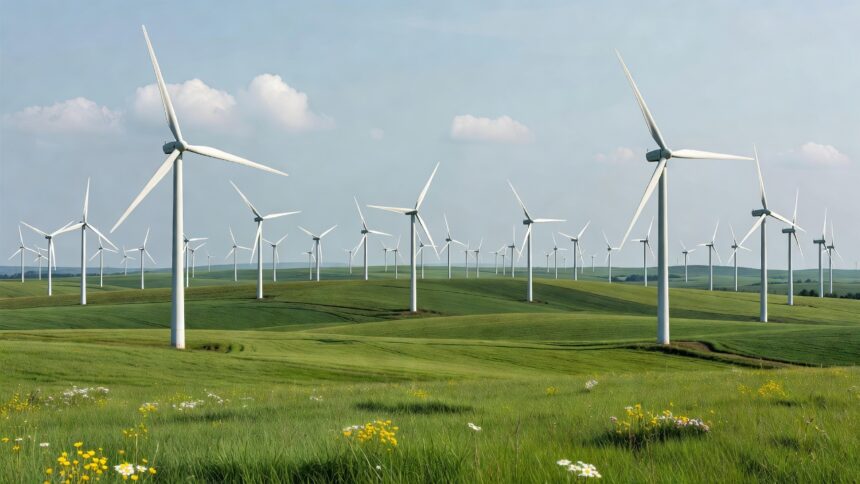


WindEurope reported that the first-half installations included a tripling of offshore wind connections to 2.1 gigawatts while Germany accounted for 3.4 gigawatts or 39 percent of the total. Denmark, Poland, Portugal and France also recorded significant increases with Ukraine adding more than 400 megawatts despite the ongoing war. The additions can supply electricity to approximately seven million households and replace fossil fuel imports equivalent to 25 LNG tankers per year according to the industry group’s calculations.
According to WindEurope’s Autumn Report Europe invested 9 billion euros in new wind farms in the period with governments awarding more than 17 gigawatts through auctions and planning to tender a further 26 gigawatts in the second half. The combined auction volume would represent the highest level ever recorded in a single year. The report projects Europe will reach 436 gigawatts of total installed wind capacity by 2030 including 342 gigawatts in the European Union that would meet 27 percent of EU electricity demand.
WindEurope figures show the region installed 19.1 gigawatts in 2025 after 16.4 gigawatts in 2024 with the current total capacity standing at 311 gigawatts at the end of June after doubling over the past decade. The first-half 2026 performance has the industry entering a ramp-up phase that targets average annual installations of 30 gigawatts in the 2030s. A separate WindEurope assessment from earlier in 2026 placed average annual EU installations at 22 gigawatts over the 2026-2030 period.
WindEurope CEO Tinne Van der Straeten said government decisions on permitting auctions grids and electrification in the coming months will make or break this momentum. The industry body noted that structural challenges remain particularly around permitting although Germany granted permits for more than 9 gigawatts of new onshore wind in the first six months and stays on track for another record year. Several other countries have seen declining volumes of permitted projects.
The sector’s expansion builds on 2025 when wind and solar produced more electricity in the European Union than fossil fuels for the first time according to prior WindEurope data. Investments made in the first half of 2026 will support construction of projects in the years ahead bolstering energy security across the region. Sustained policy focus on regulatory improvements will determine whether the current pace continues through the remainder of the year.