ع
ع



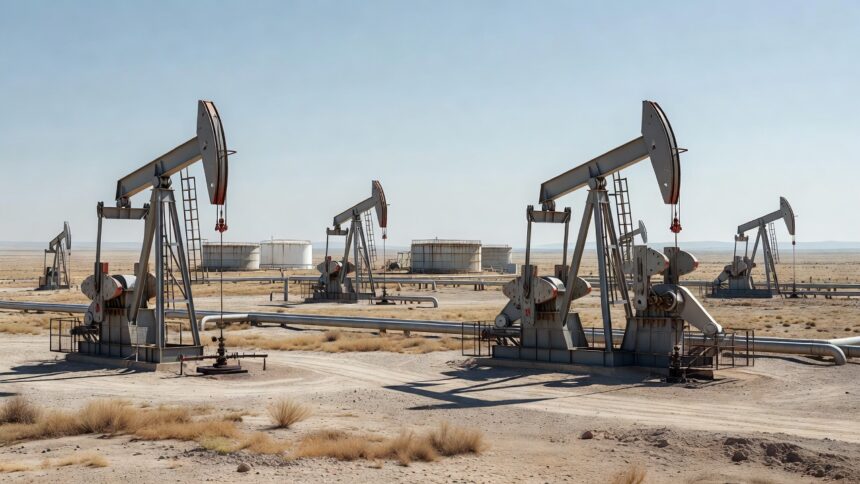


The Emirates News Agency reported oil prices steady; Brent at $92.16 pb as activity in Asian trading hours showed little directional conviction. Market participants weighed the absence of immediate supply disruptions against longer-term concerns over economic growth in key consuming regions. Energy analysts noted that the flat performance reflected a temporary equilibrium in the complex balance of forces driving crude values.
Trading Economics figures show Brent crude has advanced more than 38 percent from levels seen at this time last year, highlighting a robust recovery trajectory. The data service projects the benchmark to reach 96.11 dollars by the end of the current quarter, with further gains anticipated over the next 12 months. Such forecasts rest on assumptions about steady global consumption and disciplined output from major producers.
West Texas Intermediate crude mirrored the stability, trading within a tight band amid similar influences on the broader market. United States inventory data have remained below five-year averages for this period, lending underlying support according to official energy statistics. The coordinated production policy between OPEC members and allied nations has contributed to the current price range by preventing oversupply.
Geopolitical developments centered on Iran and transit routes through the Strait of Hormuz continue to command attention from market observers. Recent assessments from energy consultancies indicate that any escalation could rapidly elevate the risk premium embedded in current valuations. Industry reports emphasize the corridor’s critical role in moving roughly one-fifth of global seaborne oil trade.
Investment positioning in oil futures has shown measured adjustments in response to the prevailing price environment above 90 dollars. Financial institutions have revised their outlooks for the balance of 2026, incorporating expectations of sustained volatility around current levels. This environment carries direct consequences for inflation readings and policy choices in both oil-exporting and importing economies.
Broader commodity markets have seen oil outperform several other asset classes over the past year, according to Bloomberg compiled data. Central banks continue to incorporate energy costs into their assessments of price pressures and growth prospects worldwide. The commodity’s influence on macroeconomic conditions remains undiminished despite advances in renewable sources.