ع
ع



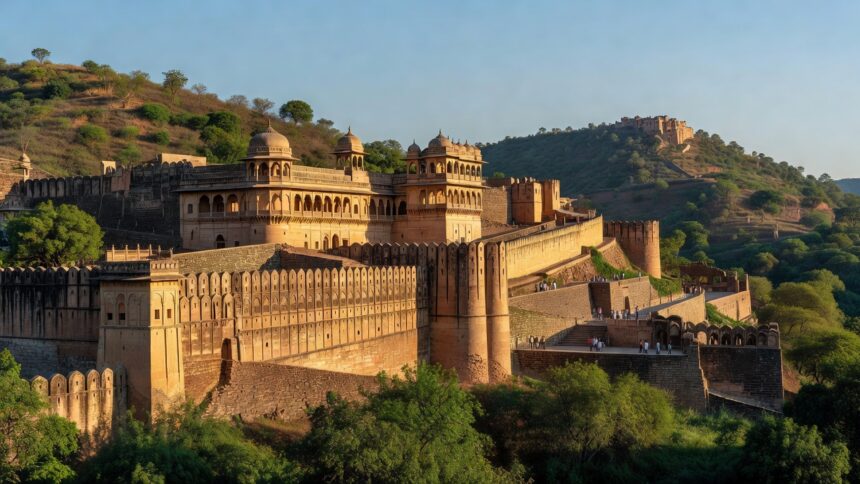


The BRICS Tourism Ministers’ Meeting under India’s 2026 chairship ended August 21 with the unanimous adoption of the Jaipur Declaration that sets out a framework for enhanced collaboration in the tourism sector. Union Minister for Culture and Tourism Gajendra Singh Shekhawat chaired the gathering in Rajasthan’s capital where the document was endorsed by consensus among participants. The declaration builds directly on deliberations from the BRICS Tourism Working Group that convened in Jaipur on August 19 and 20 according to the Press Information Bureau. It aligns with the overarching theme of Building for Resilience Innovation Cooperation and Sustainability that guided India’s tourism track this year.
The Jaipur Declaration identifies four core areas for joint action among BRICS nations the ministry reported. These encompass artificial intelligence applications in tourism sustainability coupled with responsible practices skilling initiatives alongside capacity building and measures to promote tourism exchanges with seamless facilitation for travelers. The communique underscores the value of safe human-centred artificial intelligence to improve destination management visitor experiences and multilingual services while fostering data sharing and best-practice exchanges. BRICS Tourism Ministers adopt Jaipur Declaration to deepen cooperation, sustainable tourism as the initiative reflects priorities established throughout the working sessions.
Gajendra Singh Shekhawat said “Tourism connects people it creates opportunities for communities and enables cultural exchange.” The minister added that the declaration paves the way for tourism investment development of varied products and stronger cultural cooperation including artist exchanges. Speaking to media after the event Shekhawat noted that the pact will open fresh avenues for the industry across the member countries the Press Information Bureau reported.
Participation included ministers from several nations with Gustavo Costa Feliciano representing Brazil Reza Salehi Amiri from Iran Patricia De Lille from South Africa and Abdulla Bin Touq Al Marri from the United Arab Emirates. Heads of delegation attended from China Ethiopia Indonesia and Russia while the Indian side featured Tourism Secretary Bhuvnesh Kumar and Joint Secretary Harikishore S. The Ministry of Tourism listed a total of nine BRICS member states taking part in the proceedings.
The declaration further calls for protection of natural and cultural heritage sites shared among partners in addition to bolstering industry-academia partnerships for workforce development. It advocates continuous upskilling of tourism professionals to meet evolving demands in a technology-driven landscape. According to the ministry’s assessment the measures aim to boost people-to-people connectivity and economic contributions from the sector.
A report from the World Travel and Tourism Council has previously emphasised tourism’s role in driving growth within BRICS economies where the sector supports millions of jobs and significant GDP shares. The Jaipur Declaration extends earlier outcomes such as the Cerrado Declaration issued during Brazil’s hosting by incorporating digital innovation and sustainable models into the cooperation agenda. This latest step reflects the bloc’s expanding membership that now includes additional partners focused on resilient recovery pathways following global disruptions.