ع
ع



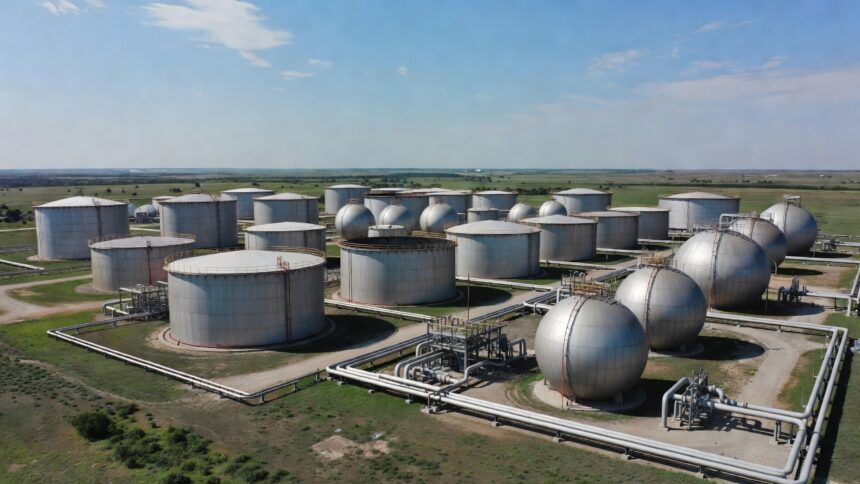


The European Commission has confirmed that natural gas storage levels in the European Union currently stand at 62 percent. This figure was highlighted in a recent assessment by the bloc’s Gas Coordination Group, which determined that the current reserves present no immediate risks for the upcoming winter. Officials noted that the levels, although below pre-crisis averages, are supported by diversified supply chains and ongoing injections during the summer period.
According to a statement from the Commission, the group including member states, the European Network of Transmission System Operators for Gas and stakeholder associations reviewed the security of supply situation on July 1, 2026. The participants confirmed that reaching 80 percent storage capacity would be sufficient to secure gas supply for the next winter season. They also discussed the potential positive impact from the reopening of the Strait of Hormuz on global liquefied natural gas markets while acknowledging the long-term effects of geopolitical tensions.
The EU has significantly strengthened its energy security framework since the 2022 supply disruptions. An assessment by the International Energy Agency outlined how mandatory storage filling targets were introduced, initially requiring 80 percent capacity before the 2022-23 winter and later 90 percent in following years. A 2025 amendment to the regulation added flexibility to the timeline for meeting the target, allowing it to be achieved between October and December rather than a strict November deadline, the agency data shows.
Industry groups represented in the coordination meeting reported robust market adaptation to the new realities, according to the Commission. They pointed to successful implementation of EU legislation designed to enhance supply security across the bloc. The ability of the energy market to cope with fluctuating conditions was underlined during the discussions.
Storage levels have shown consistent growth over recent weeks, building on a base near 52 percent in mid-July according to infrastructure data compiled by industry trackers. This upward trend reflects increased imports of liquefied natural gas from a range of global suppliers as the region continues to minimize reliance on Russian sources. Public reports indicate that Russian gas now constitutes less than 20 percent of EU imports in some recent months, down substantially from pre-crisis levels.
The Commission and national authorities have committed to sustained vigilance over the coming months. Regular meetings of the Gas Coordination Group will track progress toward higher storage targets ahead of colder weather. Such coordination has proven effective in navigating previous supply challenges and is expected to support stability in the energy markets.