ع
ع



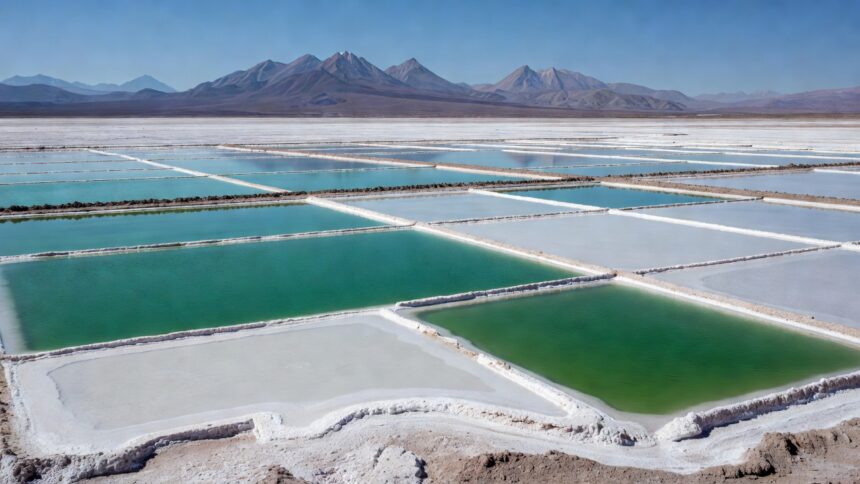


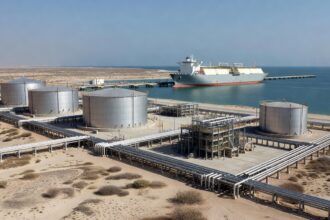
South Korea and Argentina agreed to enhance cooperation on critical minerals during a presidential summit that produced a formal memorandum of understanding signed on the margins of talks between President Lee Jae Myung and President Javier Milei. The pact calls for information sharing on policies and investment systems related to the sector while encouraging corporate investment and collaborative ventures spanning exploration mining processing and refinement of lithium according to a South Korean presidential official. National Security Adviser Wi Sung-lac outlined the scope of the accord which also extends to measures ensuring stable imports of Argentine crude oil to South Korea starting next year. The development reflects Seoul’s broader push to secure diversified sources of materials essential for its battery and electric vehicle industries.
Argentina sits within the Lithium Triangle region that Natural Resources Canada data shows holds nearly 50 million tonnes of lithium resources across Argentina Bolivia and Chile. The country’s own reserves position it as a key global player with production surging in recent years amid rising demand for battery materials a trend documented in reports from the International Energy Agency. South Korea’s near-total reliance on imported critical minerals which a National Bureau of Asian Research assessment placed above 95 percent has prompted targeted efforts to build resilient supply networks through international partnerships. The fresh agreement with Argentina forms part of that strategy by targeting the full value chain rather than extraction alone.
The memorandum was concluded after ministerial-level discussions that included South Korea’s Minister of Trade Industry and Energy with the text committing both sides to expand geological survey agency collaboration and establish communication channels at director level according to Yonhap News Agency. Argentine officials separately noted the deal would promote investments in extraction and processing stages while deepening ties in energy and trade overall. This builds on existing bilateral relations that have focused on resource security as global markets shift toward cleaner technologies.
South Korea has set explicit targets to lower its dependence on concentrated import sources for strategic minerals with a Ministry of Trade Industry and Energy plan aiming to reduce reliance from around 80 percent to 50 percent by 2030. The partnership with Argentina aligns directly with those objectives by opening pathways for joint projects that could include third-country cooperation and technology exchanges. Industry analysts following the lithium sector have observed that such arrangements help mitigate supply risks tied to electric vehicle battery production which relies heavily on stable lithium flows.
Demand for lithium continues to rise as adoption of electric vehicles accelerates worldwide with Argentina positioned to increase its output from current levels that have already tripled in capacity over recent years per Reuters commodity reports. The accord between Seoul and Buenos Aires therefore carries implications for both nations’ economic priorities in the resources domain. Officials from both governments indicated the memorandum provides a framework that can evolve with additional implementation steps in the coming months.