ع
ع



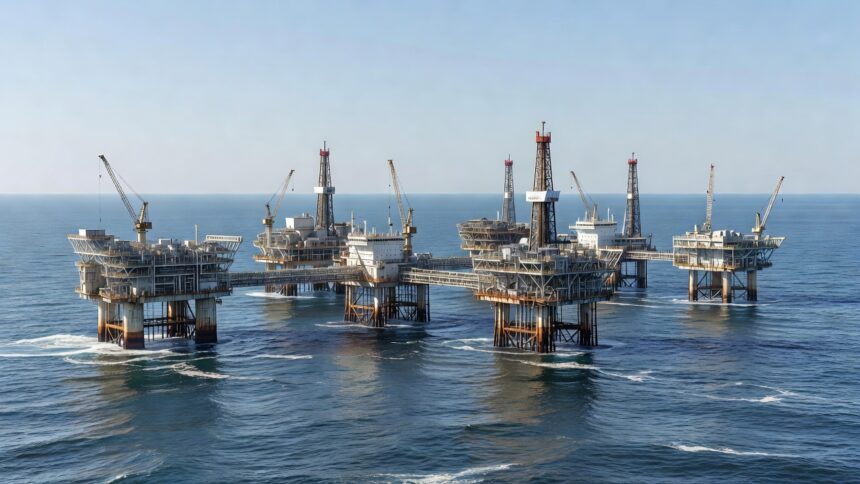


BP said in a statement that it had launched a process to market its North Sea business for a potential sale as the company focuses its portfolio on higher value opportunities. Chief executive Meg O’Neill stated that the North Sea remains integral to the UK’s energy system yet the business would be better positioned as part of another company. The announcement comes as the UK government under new Prime Minister Andy Burnham faces a drilling dilemma following Labour’s 2024 election commitment not to issue new oil and gas licences. Burnham who replaced Keir Starmer earlier in July has indicated he would take a pragmatic approach noting that the resource cannot be ignored when households struggle with bills.
The BP North Sea portfolio includes five production hubs and employs about 1,100 people according to the company’s announcement. BP which has operated in the region for 60 years affirmed that the UK will remain home to its global headquarters. A Financial Times report from June detailed unsuccessful talks between BP and Ithaca Energy over a potential deal valued at around £2 billion. North Sea Transition Authority data shows that UK continental shelf production peaked in 1999 with 2025 output around 20 percent of 2000 levels and projections indicate further decline by 2050.
Prime Minister Burnham told reporters that he indicated in a call with US President Donald Trump a pragmatic stance on the North Sea. Trump had claimed Burnham would open up North Sea oil during their conversation last week according to the Gulf Times report. The Labour government took power in 2024 with a manifesto vow to steer Britain toward renewables and Burnham has promised to uphold those commitments while announcing plans to remove VAT from electricity bills this winter. Advocates for increased drilling argue it would enhance energy security following Russia’s invasion of Ukraine and help ease cost of living pressures.
BP has pivoted back toward its oil and gas business in recent years slashing clean energy investment as its performance trailed rivals the company statement indicated. The North Sea is not viewed as highly profitable for the group even if additional drilling gains approval. Shell last year merged its North Sea assets with those of Norway’s Equinor according to industry reports. Energy companies await decisions on drilling at the Jackdaw and Rosebank fields amid court battles and delays the announcement context noted.
BP is scheduled to release its second quarter earnings on Tuesday following Shell’s report of net profit tripling to $10.8 billion in the April to June period driven by soaring oil prices. The group faced shareholder backlash at its April annual meeting over a resolution on climate reporting requirements. In May BP removed Albert Manifold as chairman citing governance concerns which he has denied according to the report. O’Neill who became chief executive has focused on cost cutting measures.
An analysis by the Energy and Climate Intelligence Unit found that around 93 percent of likely UK North Sea oil and gas has already been extracted with new drilling potentially adding only 1 to 2 percent through 2050. Government data places cumulative extraction since 1975 at 4.1 billion tonnes with projections for an additional 218 million tonnes from existing fields by 2050. A Smith School of Enterprise and the Environment study estimated that full exploitation of remaining resources would yield modest annual household savings of between £16 and £82 under realistic fiscal take scenarios while renewable shifts could deliver recurring reductions of £105 to £441 per household.