ع
ع

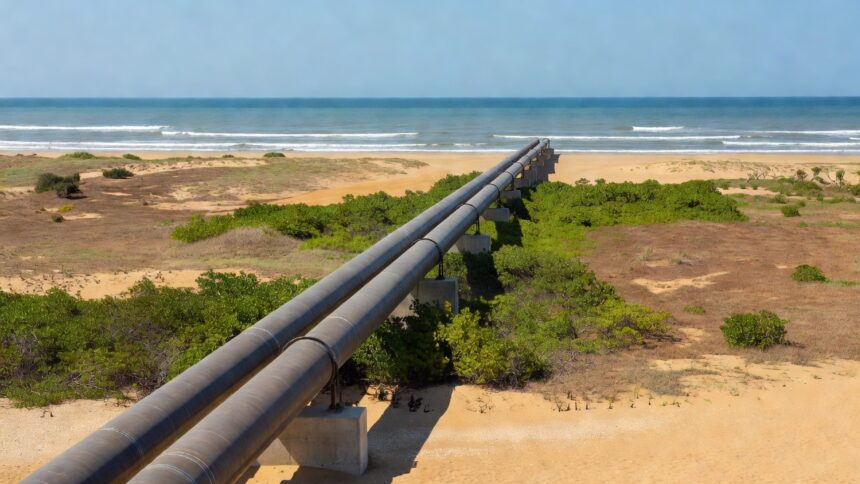


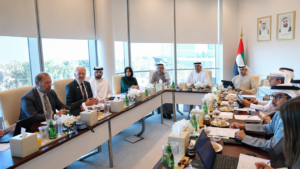
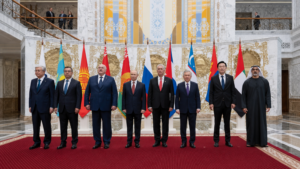
The Economic Community of West African States secured formal approval from its heads of state for the Nigeria-Morocco gas pipeline at the 48th ordinary session, the Emirates News Agency reported. Nigerian President Bola Tinubu, serving as ECOWAS chairman, oversaw discussions that positioned the project as a cornerstone for energy security and economic integration. The decision reflects years of technical preparations and diplomatic efforts between Nigeria and Morocco since the memorandum of understanding was signed in 2016, according to project timelines incorporated in the summit outcomes. Leaders from transit countries expressed unified support for advancing the scheme to final investment decision.
The 5,600-kilometre pipeline will run along the West African coastline from Nigeria’s gas fields through several ECOWAS member states before reaching Morocco, a WAM dispatch from the meeting detailed. Initial segments have undergone feasibility studies and environmental impact assessments funded in part by the African Development Bank, bank records show. Once operational the infrastructure is designed to supply local power plants and industries while opening an export corridor toward European markets facing their own supply diversification needs.
Nigeria holds Africa’s largest proven natural gas reserves, which BP Statistical Review data placed at 6.4 trillion cubic metres at the end of 2024. The pipeline project would allow greater monetisation of these resources beyond current liquefied natural gas exports, according to an International Energy Agency assessment of African gas infrastructure. Morocco, which has expanded its own gas import terminals in recent years, views the link as a reliable long-term supply source that complements its renewable energy investments, Moroccan energy ministry statements indicated.
A separate study published by the Organisation of Petroleum Exporting Countries estimated that successful completion could add measurable value to regional GDP through job creation during the construction phase and improved electricity access along the route. The project also aligns with broader African Union goals for cross-border infrastructure that were reiterated in ECOWAS communiqués, the Emirates News Agency noted. Technical committees are expected to accelerate work on remaining regulatory harmonisation among the 13 countries the pipeline would cross.
Financing requirements for the full scheme are estimated between $25 billion and $30 billion, with a combination of multilateral loans, export credit agencies and private sector participation under discussion, according to preliminary cost breakdowns presented at the summit. The African Development Bank has already supported early-phase engineering, its project database shows. Leaders instructed ministers to finalise a detailed implementation roadmap within six months, the WAM report stated.
The endorsement builds on incremental progress achieved since 2016 when Nigeria and Morocco first launched the concept as a vehicle for south-south cooperation, diplomatic records confirm. Several bilateral agreements with transit nations have been concluded to govern construction and revenue sharing, ECOWAS secretariat updates show. The pipeline is projected to carry up to 30 billion cubic metres of gas annually once all segments are complete, according to engineering parameters cited in the leaders’ final communiqué.