ع
ع





The State Administration of Foreign Exchange reported that China’s foreign exchange reserves stood at 3.4163 trillion U.S. dollars by the end of June. This marked a drop of 26 billion dollars, equivalent to a 0.75 percent decline from the 3.442 trillion dollars recorded at the end of May. The administration said the fall resulted from the combined effects of exchange rate conversions and fluctuations in asset prices. Data from the People’s Bank of China confirmed the reserves had reached a more than decade-high level in May following a 0.93 percent increase from April.
A Trading Economics compilation of official releases placed the May figure as the highest since October 2015. The latest June drop reversed part of those recent gains even as reserves have stayed well above 3.2 trillion dollars for multiple consecutive months in recent years. State Administration of Foreign Exchange historical records show the all-time peak occurred in June 2014 when holdings reached 3.993 trillion dollars. Such monthly swings continue to reflect broader pressures from global currency movements and domestic monetary policy settings.
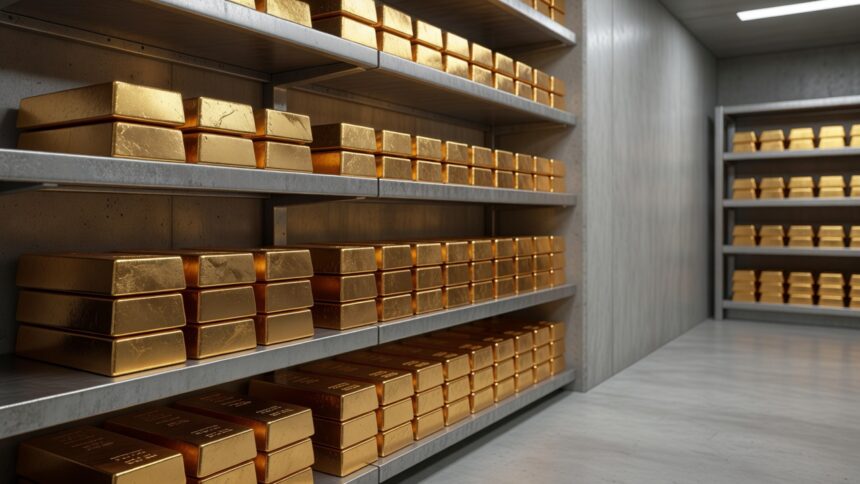
The People’s Bank of China has meanwhile extended its gold-buying streak to 20 months, registering the largest increase in the current cycle around the same period, according to central bank disclosures. This diversification effort comes as authorities manage the composition of reserve assets amid international market volatility. The gold accumulation has helped offset some impacts from foreign currency fluctuations in the overall reserve portfolio. Central bank data further indicate that gold reserves have grown steadily since late 2022 as part of longer-term adjustments.
Earlier in 2026, reserves stood at 3.3991 trillion dollars at the end of January, reflecting a 1.23 percent rise from December 2025, State Administration of Foreign Exchange statistics showed. The trajectory through the first half of the year demonstrated resilience despite periodic declines tied to external factors. Analysts monitoring the figures through industry compilations note that reserves remain the world’s largest, providing a substantial buffer for China’s external economic engagements. The administration has consistently highlighted that such levels support financial stability and import coverage needs.
In the years following the 2014 peak, reserves experienced periods of contraction before stabilizing above the 3 trillion dollar threshold, according to sequential reports from the foreign exchange regulator. By the end of 2023, holdings had recovered to 3.238 trillion dollars with further gradual increases recorded through 2024 and 2025. The latest June data arrives as global trade patterns evolve and major economies adjust their own monetary stances. The State Administration of Foreign Exchange said it would continue monitoring relevant variables to maintain appropriate reserve scales.