ع
ع

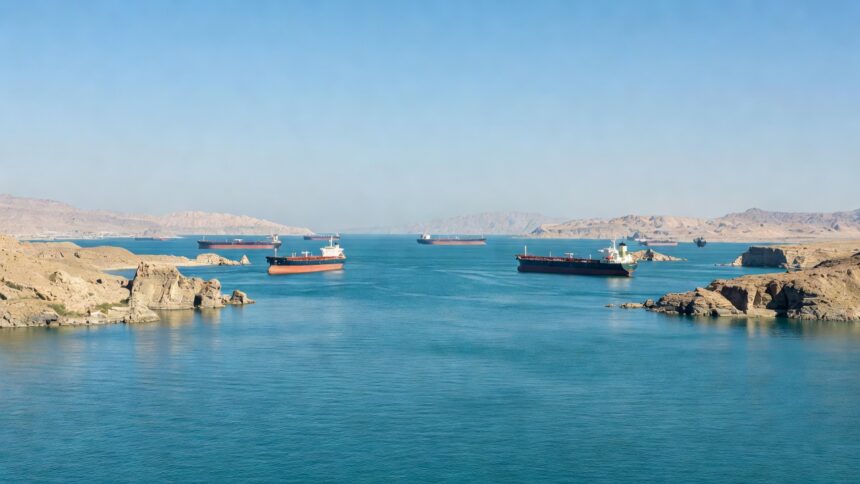


The IMF’s latest Regional Economic Outlook for the Middle East and Central Asia details how the outbreak of war with Iran has reversed the region’s economic momentum, with Jihad Azour, the fund’s Middle East and Central Asia Department director, describing the 2.3 percentage point cut to the 2026 growth forecast as among the largest revisions in recent years. Growth for the MENAP region, which includes the Middle East, North Africa, Afghanistan and Pakistan, is now seen at 1.4 per cent, down from earlier projections that had anticipated stronger performance amid easing inflation and robust non-oil activity. The assessment, presented on April 16, underscores the broad and deepening impact of disruptions to oil and gas flows through the Strait of Hormuz, a chokepoint that carries about one fifth of global oil supplies according to International Energy Agency data.
Roberto Cardarelli, an assistant director in the department, indicated that baseline assumptions of a short-lived conflict and normalizing energy markets by mid-year are being tested by ongoing developments, with oil prices hovering near 95 dollars per barrel. The fund’s reference scenario assumes average prices of 82 dollars, but futures markets point closer to an adverse path where prolonged fighting keeps costs elevated. Several Gulf oil exporters are now expected to see economic contractions this year, the IMF reported, highlighting the uneven toll across the region.
Qatar has experienced one of the world’s largest downward revisions, nearing 15 per cent, due to infrastructure damage and halted liquefied natural gas exports, the briefing showed. In contrast, Oman is projected to face only a modest slowdown and may even gain from higher energy prices given its access routes outside the strait. Oil-importing countries such as Egypt, Jordan and Pakistan confront rising energy costs alongside reduced remittances and tighter financing conditions, while low-income states like Yemen and Sudan risk intensified food insecurity as import expenses climb, with food comprising up to half of their imports.
Azour stated, “This is among the largest six-month downgrades … since the global financial crisis.” He added that the shock is broad, deep and still unfolding, extending beyond energy to trade, logistics and food prices. Cardarelli noted, “If I were to bet any amount of money, I would bet on them showing worse number,” while cautioning that every additional day of conflict and elevated prices moves outcomes toward the more negative scenario.
The IMF called for disciplined policy responses that allow automatic stabilisers to function while providing targeted and temporary support to vulnerable households. Azour advised governments to avoid broad fuel subsidies that could strain public finances, as the fiscal impact depends on the extent of such measures. Central banks should consider maintaining or tightening monetary policy to curb inflation pressures even as activity slows, the fund recommended.
According to the IMF’s accompanying World Economic Outlook from April 2026, a prolonged conflict could reduce global growth to 2.6 per cent and push inflation above 5 per cent. The International Energy Agency has characterised the disruption as the largest supply shock in oil market history, with flows through the Strait of Hormuz dropping from 20 million barrels per day to an average of 2.7 million in the following months. IMF officials nevertheless pointed to potential upside should the conflict resolve comprehensively and swiftly, allowing energy production to rebound relatively quickly.