ع




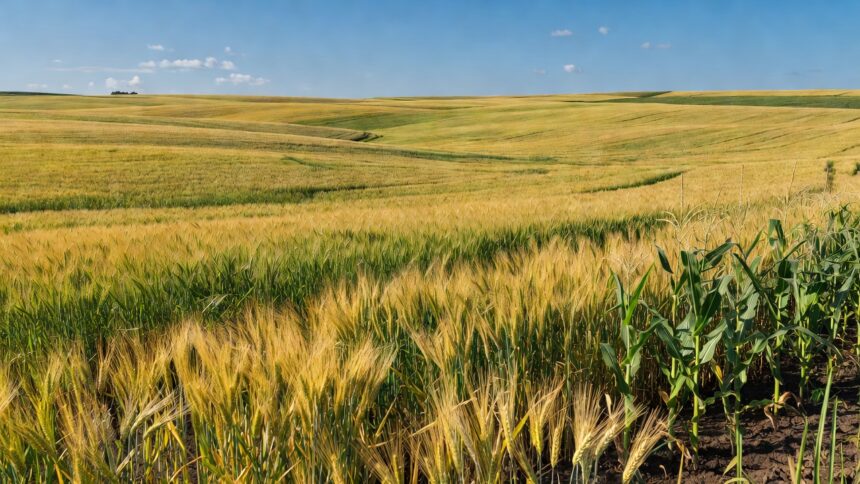


The United Nations food agency has projected that combined cereal harvests across low-income food-deficit countries will amount to 126.5 million tonnes next year. This outlook forms part of the regular Crop Prospects and Food Situation assessment that tracks conditions in nations most vulnerable to food shortages. The figure stands close to recent averages even as climate variability introduces uncertainties into planting and yield expectations across several regions.
According to the FAO assessment, the LIFDCs group includes dozens of nations primarily in Africa and parts of Asia where domestic food production falls short of needs. A recent update to the classification placed the total at 39 countries after some graduated from the list based on income and trade criteria. These nations often rely on international aid and imports to bridge supply gaps when local output falters.
Global cereal production for 2026 is anticipated to reach 2.999 billion tonnes, the second highest on record, the FAO Cereal Supply and Demand Brief released in November showed. This broader output provides a buffer that could help stabilize supplies for import-dependent LIFDCs. However, declines in wheat and rice are expected to shape the overall market dynamics.
Dry weather linked to El Niño patterns could pressure yields in parts of the LIFDC group, a FAO evaluation found. Elevated fertilizer costs may further limit application rates in resource-constrained areas. Such conditions have the potential to affect the final harvest totals as many countries have yet to complete their main growing seasons.
The report also indicated that 41 countries currently require external food assistance, with 31 of them located in Africa. Conflict and insecurity remain the leading causes of acute food insecurity in these places. Weather shocks have compounded the challenges in recent assessments.
FAO data places world cereal stocks on track to rise in the coming year, supporting a stocks-to-use ratio of 32.4 percent. This inventory build-up could ease some pressure on prices and availability for food-deficit regions. Trade volumes are meanwhile projected to contract slightly due to logistical issues in key exporting nations.