ع
ع



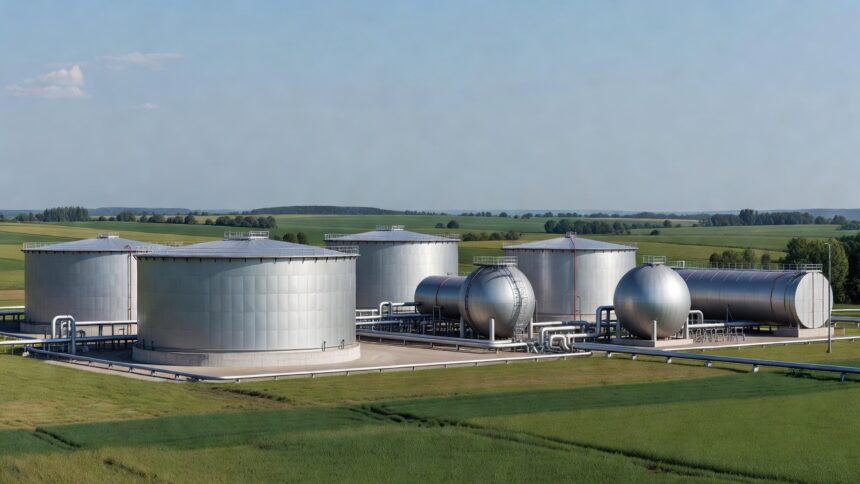


The Dutch TTF front-month contract rose as much as 5 percent before settling near €68.50 per megawatt hour on August 24, its highest level in three and a half years, The Brussels Times reported. European gas storage facilities held only 62 percent of working capacity in late August, 15 percentage points below the 10-year average and the lowest reading for the period in at least two decades. Gas Infrastructure Europe figures placed German inventories at roughly 50 percent, while the Netherlands stood at 42 percent, leaving limited buffer ahead of the November heating season. Matthias Detremmerie of Belgian energy supplier Elindus told The Brussels Times that prices for 2027 delivery have also reached three-year highs, with electricity contracts for September following the upward trend.
Tensions in the Middle East that have restricted flows through the Strait of Hormuz have delayed Qatari LNG cargoes bound for Europe, Trading Economics noted in its August 25 market update. Heatwaves across the continent have lifted cooling demand and diverted gas-fired generation away from storage injection, compounding the refill shortfall. Norway’s extended maintenance on key fields has further constrained pipeline supply at a time when injections normally accelerate. A Wood Mackenzie assessment cited by the Financial Times projected that EU storage would enter the winter season at only 76 percent, the lowest start in 15 years.
According to Energy Aspects data published in June, EU facilities held 46 percent of capacity in late June, 10.6 billion cubic meters below the prior year and 15 billion cubic meters under the five-year average. The consultancy’s base case forecast showed inventories reaching 78 percent by the end of October, offering reduced flexibility once withdrawals begin. Oxford Economics economist Daniel Kral stated that several adverse supply-side risks have materialised, leaving storage at historically low levels ahead of the heating season. Euronews reported that inventories stood at 57 percent on August 1, the lowest on record for that date.
The European Commission has set a non-binding 90 percent storage target by November 1 but granted member states flexibility to aim for 75-80 percent in recognition of market conditions, multiple outlets including Euractiv noted. Rabobank analyst Florence Schmitt told The Brussels Times that the market is realising reserves will offer only limited flexibility this winter, particularly if escalation occurs in the Gulf while Norwegian maintenance continues. German Economy Ministry officials briefed journalists that a physical shortage is not expected despite the low inventories, Euractiv reported on August 21. Montel modelling projected end-October storage between 69 percent and 84 percent depending on LNG arrivals.
European gas prices have risen more than 100 percent from the same period last year, Trading Economics data released on August 25 showed. Speculators have increased bets on higher winter contracts in futures and options markets, according to Energy Aspects. Tom Marzec-Manser of Wood Mackenzie told the Financial Times that prices could rise again as winter approaches, especially in a cold-weather scenario. The combination of geopolitical risks and below-average refill has pushed the TTF benchmark to levels last seen during the 2022 energy crisis.