ع




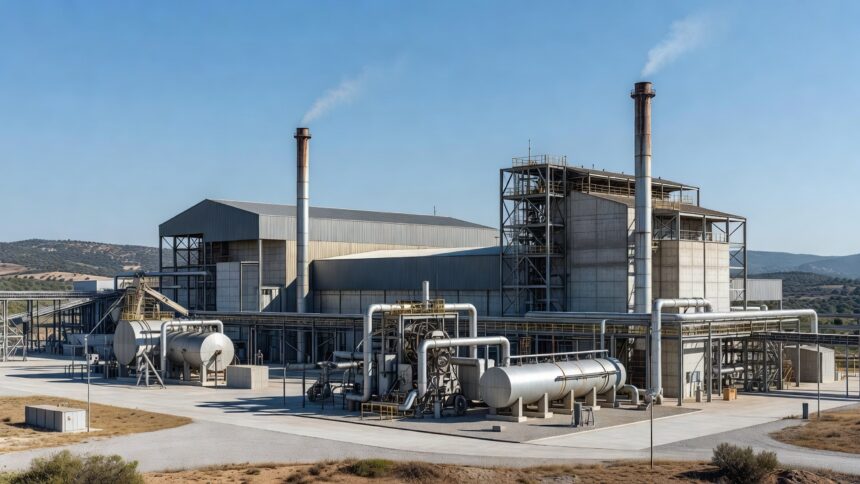


Spain’s National Statistics Institute figures show that industrial production climbed 2.5 percent in September from a year earlier in the original series, accelerating from a 1.3 percent increase in August and marking the seventh consecutive month of expansion. The seasonally and calendar-adjusted annual rate stood at 2.0 percent while the monthly change came in at 0.8 percent after a decline the prior month. The statistics institute provided a breakdown that highlighted energy as the strongest performer with output up 7.1 percent. Production of capital goods rose 3.2 percent and intermediate goods increased 2.4 percent.
Spain’s industrial production growth rebounds in September with consumer goods output falling 1.0 percent over the year, dragged lower by durable consumer goods that declined 4.2 percent. These details illustrate the uneven recovery across industrial segments amid varying demand conditions, according to the institute. The data release on November 6 followed earlier indications of manufacturing stabilisation.
A survey from S&P Global that Reuters reported in early October found Spain’s manufacturing PMI rising to 51.0 in September from 49.5 in August, signalling a return to expansion as output increased for the first time in four months. Business confidence reached its highest level since February on expectations of stronger demand ahead. The survey noted new export orders rose for the first time since August 2025 even as overall new orders continued to fall for a fifth month. Firms cited uncertainty and higher energy prices linked to geopolitical tensions as factors weighing on demand.
Eurostat data places the annual rise in Spanish industrial producer prices at 18.3 percent in September, up sharply from 13.2 percent in August, according to a separate National Statistics Institute release at the end of October. The monthly increase in producer prices was 4.0 percent. This price surge was driven primarily by energy costs that jumped 49.8 percent year-on-year in a development that marked the highest reading since October 2022.
The National Statistics Institute also detailed strong regional variations with output rising in 10 autonomous communities and falling in five during September. Madrid recorded the largest increase at 8.6 percent while Navarra saw the biggest decline of 5.5 percent. These geographic differences reflect localised factors influencing industrial activity across the country.
In the third quarter of 2026, Spain’s GDP grew 0.6 percent from the previous quarter, according to the National Statistics Institute advance estimate released in late October. The industrial recovery aligns with this broader economic performance that has seen the country outperform the euro zone average in recent quarters. Further industrial production figures for October are scheduled for release in early December.