ع




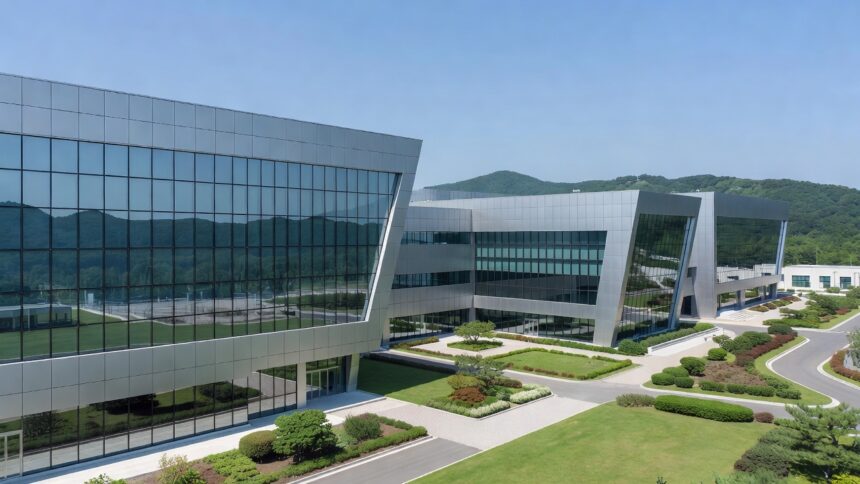


Bank of Korea data showed the September surplus marked a substantial increase from $46.11 billion in August and a sharp rise from $14.22 billion a year earlier. It broke the prior record of $49.73 billion established in June. The performance highlights the impact of booming technology exports on the nation’s external accounts.
According to the central bank the goods trade balance achieved a new high with a $62.75 billion surplus as exports soared 92.4 percent year-on-year to $130.72 billion. Imports grew at a more moderate 29.4 percent reaching $67.97 billion during the month. This marked the fourth consecutive month that exports topped $100 billion while setting a fresh record for the goods account.
The surge was largely propelled by semiconductors with customs data indicating a 260.3 percent year-on-year increase in chip exports to $60.5 billion. Park Seong-gon head of the Bank of Korea’s balance of payments team noted that semiconductors contributed about 45.2 percentage points to export growth when looking at cumulative data from January to October. Prices for these exports rose 182.1 percent while volumes increased 30.5 percent.
Further Bank of Korea figures placed the primary income account in surplus by $2.65 billion thanks to higher equity income receipts. The services account however widened its deficit to $3.35 billion from $1.68 billion in the prior month due to increased spending on travel and intellectual property. The secondary income deficit narrowed slightly to $0.59 billion.
Over the January to September period the cumulative current account surplus totaled $340.66 billion according to the Bank of Korea more than four times the $83.89 billion accumulated in the same span of 2025. Bank of Korea figures show the country has recorded a current account surplus every month since May 2023 marking the 41st consecutive month in August. The central bank expects the full-year 2026 surplus to exceed its earlier forecast of $450 billion.
In 2025 the annual current account surplus reached a then-record $123.05 billion according to Bank of Korea historical data surpassing the previous peak of $105.1 billion set in 2015. The central bank assessment found that the chip supercycle stemming from artificial intelligence investments has been a key driver behind the record figures. South Korea’s position in the global semiconductor supply chain has allowed it to benefit significantly from this trend.