ع




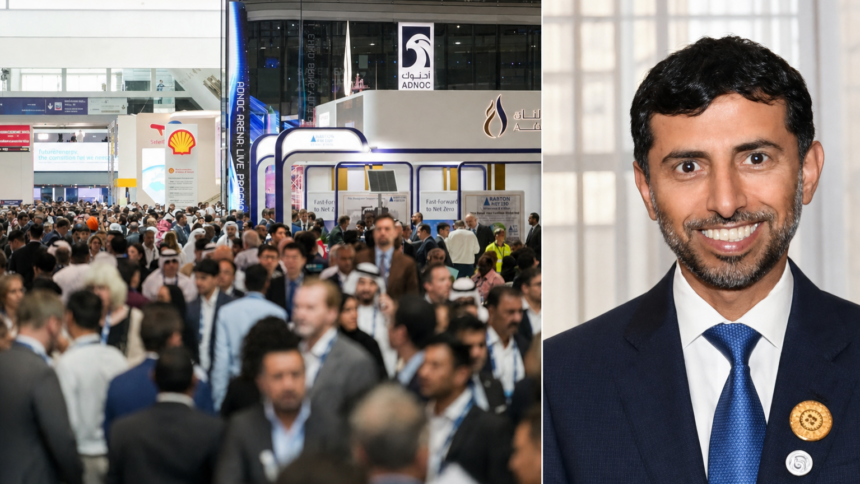


The Ministry of Energy and Infrastructure will use the platform of ADIPEC 2026 to outline the UAE’s approach to balancing hydrocarbon production with accelerated clean energy deployment, a WAM report indicated. Minister Suhail Mohamed Al Mazrouei is among the confirmed speakers at the event, which organisers said will convene more than 1,800 speakers across 380 sessions. The participation aligns with the UAE’s updated energy strategy that emphasises resilience amid rising global demand and technological shifts.
According to ADIPEC organisers, the conference running November 2-5 at the Abu Dhabi National Exhibition Centre is expected to attract 239,000 attendees from over 170 countries and feature more than 2,250 exhibiting companies. The event takes place under the patronage of President His Highness Sheikh Mohamed bin Zayed Al Nahyan. Discussions will focus on mobilising investment for resilient energy systems as the world grapples with geopolitical volatility and artificial intelligence-driven power needs.
A Ministry of Energy and Infrastructure assessment found that energy security now encompasses resilient infrastructure, digital technologies and energy storage, in addition to traditional resource availability. The UAE plans to invest more than AED 200 billion by 2030 to triple renewable energy capacity, expand nuclear power and modernise the grid, an Energy Connects interview with the minister revealed. These steps support the country’s goal of providing reliable, lower-carbon energy while maintaining stable global markets.
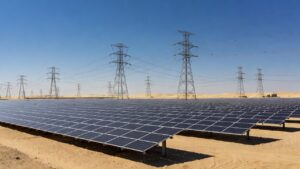
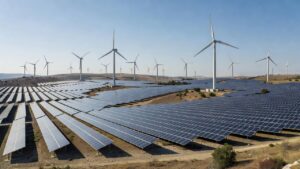
The UAE has raised its clean energy target to 35 percent by 2030-2031, the minister told industry gatherings this month. Major projects include a 5.2 gigawatt solar plant paired with 19 gigawatt-hours of battery storage that will deliver one gigawatt of continuous clean power, according to the Emirates Water and Electricity Company. Such initiatives demonstrate how renewables paired with storage can provide baseload power comparable to traditional sources.
The UAE Net Zero 2050 Strategy, coordinated by the Ministry of Climate Change and the Environment, encompasses more than 25 programmes across six key sectors including power, industry and transport. Government projections indicate the strategy will create 200,000 job opportunities in solar, battery and hydrogen sectors while contributing around 3 percent to national GDP. The pathway also seeks to enhance export opportunities through advanced clean technologies.
Global energy insiders show strong confidence, with 85 percent viewing the sector as more attractive for investment than five years ago, an ADIPEC Global Energy Report found. This sentiment will frame conversations at the event on how to accelerate infrastructure and partnerships to meet rising demand. The UAE’s ADNOC is planning $150 billion in investments between 2026 and 2030 to bolster supply and adopt smart technologies, a company executive stated.