ع


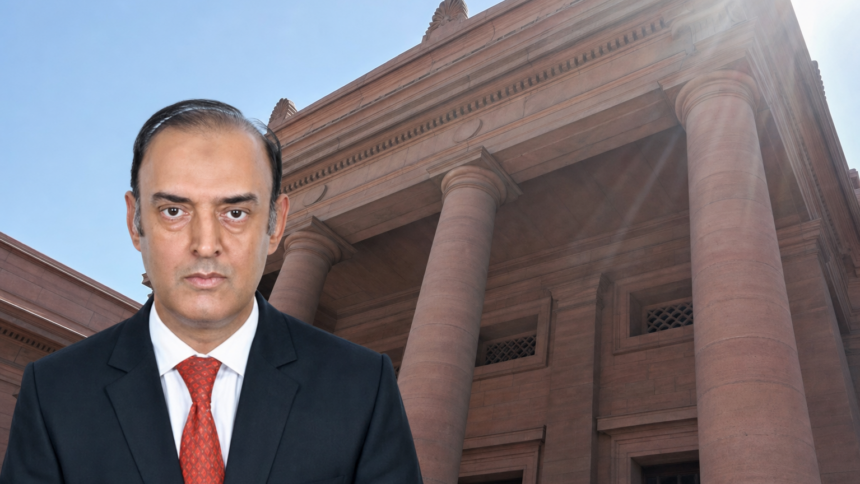


The Monetary Policy Committee decided to hike the rate by 50 basis points in a move to keep inflation expectations anchored, according to a statement from the State Bank of Pakistan. Governor Jameel Ahmad said at a press conference in Karachi that inflation forecasts had deteriorated markedly since the previous meeting, particularly due to the conflict between the United States and Iran. He added that oil prices exceeding 100 dollars a barrel and rising wheat costs would require time to ease, delaying the return to the bank’s target range.
A Bloomberg survey of economists showed that 13 out of 18 predicted a rate increase of between 50 and 100 basis points. The State Bank of Pakistan noted that the prolonged conflict in the Middle East has pushed global energy prices, freight and insurance costs significantly higher than pre-conflict levels. Supply chain disruptions have added to the uncertainty, prompting the committee to assess that inflation will likely rise and stay above target for the next few quarters.
This represents the first rate increase since April, following an easing cycle that lowered the policy rate from a record 22 percent in 2023, SBP figures show. The central bank has emphasised the importance of a tighter monetary stance to contain second-round effects from the current supply shocks. Such measures are essential to preserve macroeconomic stability necessary for sustainable economic growth, the statement added.
The decision comes as Pakistan, heavily dependent on imported energy, faces renewed pressure on its import bill. Consumer fuel prices were increased by around 20 percent recently to reflect the higher global costs, according to government announcements. The MPC also pointed to other domestic developments, including an uptick in inflation to 7.3 percent in March.
Pakistan’s central bank expects real GDP growth of between 3.5 and 4.5 percent in the current fiscal year, a projection that remains unchanged despite the rate hike. The committee called for fiscal reforms focused on broadening the tax base and curtailing losses at public sector enterprises. These steps would support higher and more sustainable growth, according to the State Bank of Pakistan.
Remittances from Pakistanis abroad have helped maintain a reasonable current account deficit, with targets set between 0 and 1 percent of GDP. The bank will continue to monitor the situation closely as the outcome depends on the duration and intensity of the regional conflict. Inflation may remain above 7 percent through the fiscal year and into the next if pressures persist.