ع
ع



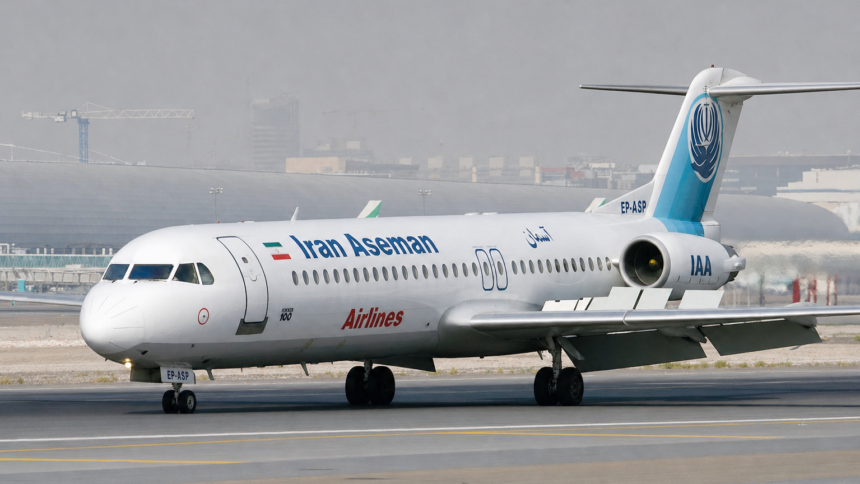


Iran’s ISNA news agency reported that the United Arab Emirates had suspended operations by all Iranian airlines as of midnight on September 24, 2026 in order to comply with US sanctions linked to the ongoing Middle East conflict. “All flights by Iranian airlines to the United Arab Emirates have been cancelled since midnight,” the agency said. An Iran Airtour flight from Tehran to Dubai was cancelled at the last minute that morning even after tickets had been issued, one passenger told AFP, while no immediate comment was available from UAE officials.
The move follows a September 8 sanctions package from the US Department of the Treasury that targeted 27 Iranian airlines under Operation Economic Outcast for allegedly transporting weapons, personnel and illicit cargo. US Treasury Secretary Scott Bessent warned that foreign airports and companies providing refuelling, handling or ticketing services to sanctioned carriers could face secondary sanctions if they failed to comply by September 23. A Treasury statement distributed via its official website said the action built on earlier measures against Mahan Air and aimed to isolate Iran’s aviation sector from the global financial system.
Iranian carriers began cancelling international flights on September 23 after several neighbouring states imposed restrictions, ISNA reported. Turkmenistan joined those measures on September 24, forcing a Tehran-Dushanbe service to return to Imam Khomeini Airport without landing, Civil Aviation Organisation spokesman Majid Akhavan told the agency. In response to the UAE decision, Iranian authorities banned Emirati carriers from overflying its territory, prompting diversions of flydubai flights to Baku via Iraq and Turkey, flight-tracking data cited by regional outlets showed.
Dubai has long served as one of the most important destinations for Iranian airlines with multiple daily services before recent disruptions, according to aviation industry compilations. Data from Sabre Market Intelligence placed origin-and-destination traffic between Iran and the UAE at 1.39 million passengers in 2025, with the Tehran-Dubai pair accounting for nearly 60 percent of that total. Iran’s Trade Promotion Organisation figures show non-oil exports to the UAE reached $5.815 billion in the first nine months of 2025, underscoring the commercial importance of air connectivity between the two economies.
Flights between the two countries had only resumed in late June 2026 after a multi-month halt caused by regional military escalations, the Iranian Civil Aviation Organisation announced at the time. Sepehran Airlines and Varesh Airlines were among the first to restart scheduled services on the Tehran-Dubai route, according to statements carried by Iranian state television. Prior to that conflict, OAG scheduling data showed more than 86,000 two-way seats offered between Iran and the UAE in February 2026 alone, although that figure already reflected a decline from the previous year.
Smaller Iranian carriers continue limited international operations to destinations including China and Armenia despite the tightening restrictions, ISNA assessments indicated. Major operators such as Iran Air and Mahan Air maintain some routes but face growing challenges securing ground handling and refuelling abroad. The US Treasury noted in its September 8 release that sanctioned airlines had previously used intermediaries in the UAE to acquire aircraft, underscoring the emirates’ earlier role in the supply chain now under scrutiny.