ع
ع



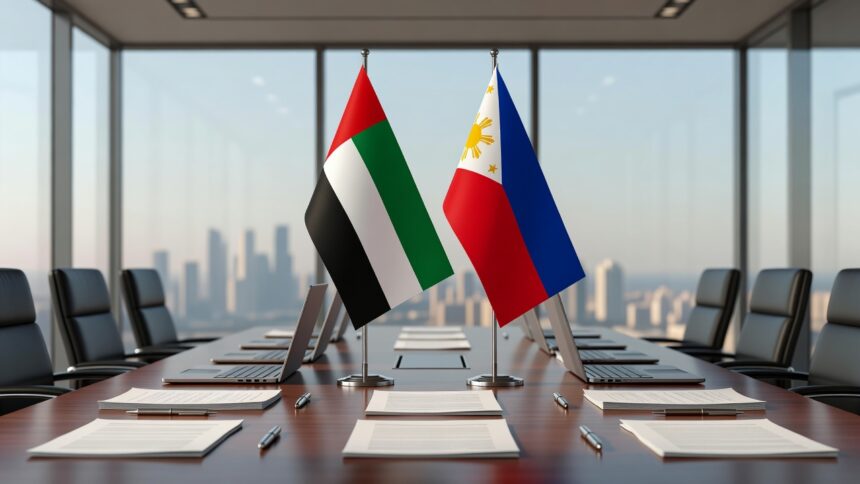


The Central Bank of the UAE and the Bangko Sentral ng Pilipinas inked the agreement during a virtual ceremony, with the pact encompassing not only CBDC expertise sharing but also potential integration of card networks and financial messaging systems. Khaled Mohamed Balama, governor of the UAE Central Bank, described the move as a foundation for seamless financial integration between the two economies, according to a statement from the authority. Eli Remolona Jr., governor of the Philippine central bank, highlighted improved remittance channels for overseas Filipino workers in the UAE as a direct benefit. The deal builds on the Comprehensive Economic Partnership Agreement the two nations formalised in January 2026, which lowered tariffs and expanded private sector cooperation across supply chains.
Bangko Sentral ng Pilipinas data places remittances from the UAE among the top five country sources, contributing roughly 4.6 percent of total inflows that reached $2.72 billion in April 2026 alone. A Mordor Intelligence assessment projected the overall Philippines remittances market to expand from $43.67 billion in 2026 to $58.36 billion by 2031 at a compound annual growth rate of nearly 6 percent, driven by digital wallet adoption and sustained demand for Filipino labour. The agreement targets efficiency gains in this corridor, where reduced transaction times and costs could support families reliant on these transfers. Central Bank of the UAE figures show the emirates host one of the largest Filipino expatriate communities in the Gulf, amplifying the pact’s potential impact on household finances back home.
The UAE Central Bank has already completed initial issuance of the Digital Dirham as legal tender and conducted its first government transaction with the retail CBDC, according to the authority’s progress report. Development of the platform reached full integration targets set for 2026 under the Financial Infrastructure Transformation programme launched in 2023, the bank stated. In parallel, the Philippines remains in the pilot phase for its own central bank digital currency, focusing on both retail and wholesale applications, a Central Bank of the UAE assessment found. The memorandum commits both institutions to exchanging technical knowledge that could accelerate these parallel tracks toward interoperable platforms.
Beyond digital currencies, the partnership extends to Islamic banking standards, fintech innovation and broader infrastructure projects aimed at deepening bilateral trade, the UAE Central Bank said in its announcement. Non-oil trade between the countries grew 22.4 percent year on year to $853.7 million in the first nine months of 2025, according to official data cited by The National. This momentum follows expanded flight permissions for UAE carriers to Manila and renewable energy investments by Abu Dhabi-based Masdar in the Philippines, the publication reported. Such ties position the agreement as part of a wider economic alignment between the Arab world’s second-largest economy and a key Southeast Asian labour and services hub.
The Central Bank of the UAE noted that the memorandum also explores interoperability between instant payment systems, which could shorten settlement times for commercial and personal transfers alike. Remolona told the publication that the initiative aligns with the Philippine central bank’s strategy to digitalise payments amid rising demand for efficient services among overseas workers. Balama, in remarks carried by the same outlet, emphasised the role of advanced technologies in fostering sustainable, innovation-led growth across both markets. Industry observers expect the linkage to reduce reliance on correspondent banking rails that currently add friction and expense to Gulf-Asia flows.
Further cooperation on regulatory frameworks for fintech startups and shared infrastructure could emerge from the pact, according to the joint statement issued by both central banks. The UAE’s participation in the mBridge multi-CBDC platform, which graduated from pilot stage in 2025 with involvement from the Bank for International Settlements, offers a tested model for cross-border digital payments that the new partnership may draw upon. Bangko Sentral ng Pilipinas officials have previously signalled interest in similar linkages to cut costs for the $11.4 billion in remittances received during the first four months of 2026. The agreement thus forms one element of a broader regional push toward digitised financial connectivity that both nations are actively shaping.