ع
ع



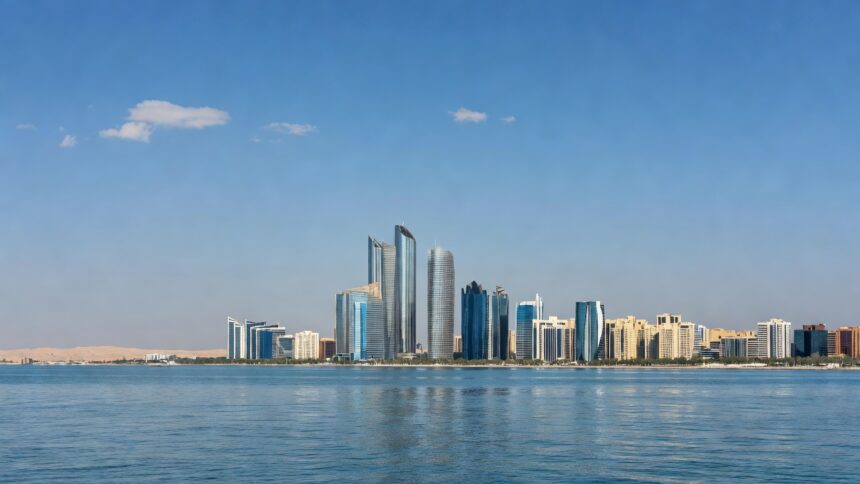


Moody’s Ratings affirmed the United Arab Emirates’ Aa2 long-term local and foreign currency issuer ratings with a stable outlook, describing the country’s high per-capita income levels, effective policymaking and very low federal debt burden as central pillars. The agency pointed to the diversified economy and built-up shock-absorption capacity as factors enabling continued progress despite external pressures from regional unrest. Moody’s analysts wrote, “These credit strengths are balanced by elevated regional geopolitical risks evidenced by the ongoing conflict in the Middle East that has led to an effective closure of the Strait of Hormuz since early March.”
The ratings decision arrives as the US-Iran war has disrupted key trade routes, with Moody’s forecasting that oil production and export volumes will remain below pre-conflict levels through the year. Higher crude prices, which the agency expects to average between 90 and 110 dollars per barrel in 2026, will more than offset the volume declines according to its calculations. This balance is nevertheless expected to produce a contraction in real GDP of about 7 percent, driven by a 23 percent drop in hydrocarbon output and a 4 percent decline in non-hydrocarbon activity as trade and confidence-sensitive sectors feel the strain.
For Abu Dhabi, Moody’s separately maintained the emirate’s Aa2 long-term issuer ratings with a stable outlook, attributing the decision to exceptionally large financial assets estimated at around 300 percent of GDP in 2025. The agency highlighted the Habshan-Fujairah pipeline as an important development that supplies an alternative export route bypassing the Strait of Hormuz and thereby bolstering energy sector resilience. Moody’s expects Abu Dhabi’s real GDP to fall 9.5 percent in 2026 before rebounding sharply by 17 percent in 2027 as trade flows normalise and oil production gradually recovers.
Fitch Ratings maintained Abu Dhabi’s rating at AA last month on the strength of its fiscal and external metrics. A Moody’s assessment found that the emirate’s non-oil economy should stay relatively resilient, backed by sustained government spending alongside ongoing diversification and infrastructure projects. These measures are set to underpin the sovereign’s medium-term growth path even amid near-term headwinds.
Federal Competitiveness and Statistics Centre data showed the UAE economy expanded 6.2 percent in 2025 to reach Dh1.9 trillion, or 517.2 billion dollars, with the non-oil sector advancing 6.8 percent to Dh1.5 trillion and anchoring overall performance. World Bank figures place 2025 growth at 5.6 percent, reflecting broad contributions from wholesale trade, manufacturing and financial services before the latest disruptions took hold. The federal government continues to benefit from a diversified revenue base together with a proven record of fiscal discipline maintained through a balanced budget approach, Moody’s noted.
S&P Global affirmed Iraq’s sovereign credit ratings at B-minus over B with a negative outlook, keeping the assessment below investment grade while removing it from CreditWatch negative. The agency projected Iraq’s full-year 2026 crude production to come in 28 percent lower than 2025 levels as the same regional conflict weighs on output and export routes. Such assessments across neighbouring economies underscore the shared exposure to prolonged closures of critical waterways like the Strait of Hormuz and the associated risks to infrastructure and trade flows.