ع
ع


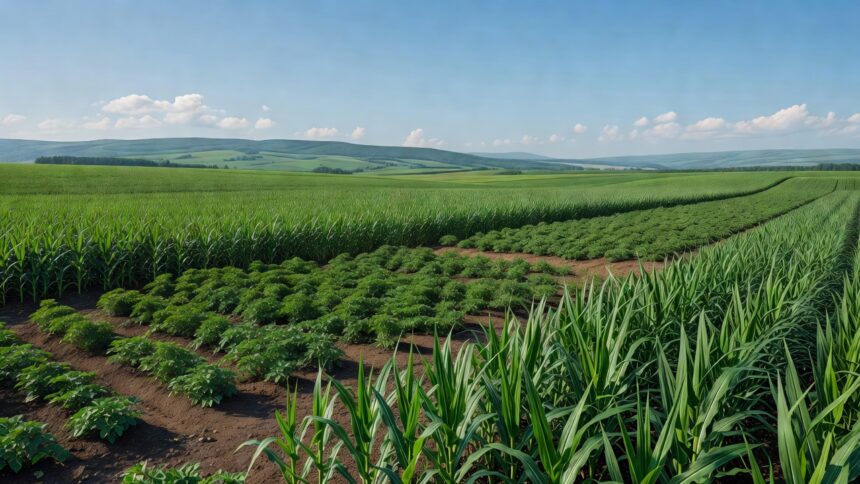


The Emirates News Agency reported that Austria’s autumn harvest has been severely impacted by the worst drought in decades with key crops showing significant declines from long-term averages. Statistics Austria preliminary figures place maize losses at around 30 percent while potato harvests fell 25 percent and sunflower yields dropped even further in eastern growing regions. The agency noted that below-average rainfall since early summer left soil moisture critically low across more than half of arable land.
The Austrian Chamber of Agriculture attributed the poor results to persistent dry conditions that stressed plants during flowering and grain-filling stages. Chamber data indicated some districts recorded total losses for soybeans and silage maize forcing many livestock operations to seek expensive imported feed. This marks the third consecutive year of weather-related harvest shortfalls in parts of the country.
A European Commission drought assessment found that similar conditions affected over 25 percent of EU agricultural land in 2026 with Austria experiencing greater yield gaps than Germany where average losses reached 15 percent. The assessment highlighted how reduced precipitation combined with high temperatures accelerated evaporation and limited irrigation options for farmers. Such regional patterns have begun to influence supply forecasts across European markets.
Austria’s agriculture ministry announced the release of 50 million euros in emergency aid to cover direct income losses and support transition to drought-resistant varieties according to a ministry statement. The funds will also help offset higher costs for supplemental feed and water infrastructure upgrades in affected provinces. Officials stated that small-scale family farms which make up the majority of operations face the greatest financial pressure.
Market analysts at European exchanges have observed upward movement in maize and wheat futures contracts as traders adjust for lower Austrian supply and potential import increases from France and Ukraine. The reduced domestic output is expected to add pressure on feed costs for the livestock sector which relies heavily on local grains. Longer-term trends documented by the Intergovernmental Panel on Climate Change show rising frequency of extreme dry periods across Central Europe.
The Austrian government is now accelerating discussions on improved water retention projects and crop insurance reforms to limit future exposure the finance ministry confirmed in a follow-up briefing. Historical comparisons from the past decade reveal that average harvest losses have increased by roughly 10 percent per extreme event prompting calls for greater investment in resilient farming systems. These measures aim to stabilize production levels and reduce volatility in domestic food and feed markets.