ع






The International Energy Agency raised its estimate for global oil supply in the fourth quarter by 3.3 million barrels per day, projecting output to average 105 million barrels per day and exceed demand by 1.7 million barrels per day. This outlook reverses the agency’s previous forecast of a supply deficit for the period. The IEA said in its November Oil Market Report that the market was showing tentative signs of rebalancing, with global supplies surpassing demand for the first time since the outbreak of the war in Iran.
Global oil supply rose by 2.3 million barrels per day in October to 105.4 million barrels per day after a 3 million barrel per day gain in September, according to the IEA. Gulf exports excluding Oman reached 18.4 million barrels per day last month, still 26 percent below pre-war levels, the report stated. Crude flows recovered to 15 million barrels per day, or 82 percent of pre-conflict volumes, the IEA data showed.
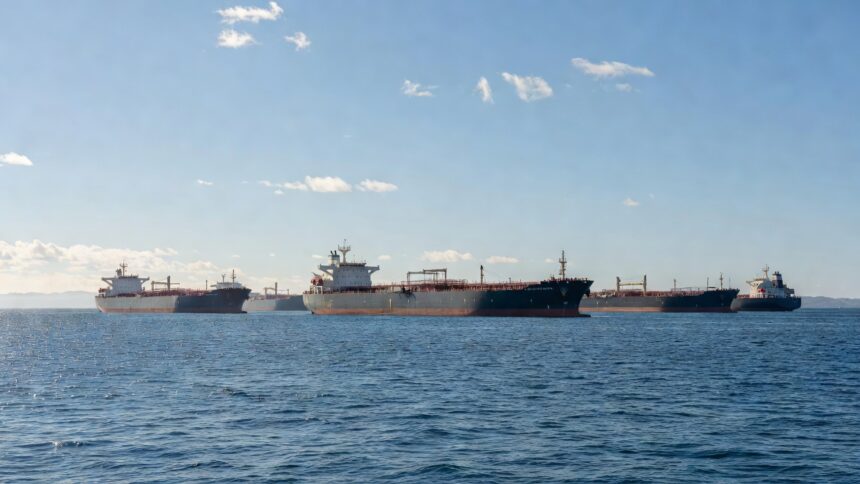
Observed oil inventories increased by 52 million barrels, equivalent to 1.7 million barrels per day, in October for the first increase since June, the IEA assessment found. Much of the build came from barrels held on tankers at sea, which grew by 86 million barrels to their highest level since January. Onshore stockpiles remained near decade lows despite the overall gain, according to the agency.
The supply recovery was driven largely by higher output from Saudi Arabia and Iraq, the IEA reported. OPEC said the broader group pumped 41.23 million barrels per day of crude in October, up 2.04 million barrels per day from September and reaching 97 percent of pre-war February volumes. This rebound has helped ease market tightness even as attacks on energy infrastructure and shipping persist in the region.
Global oil demand continues to face pressure from high prices and disruptions that have cut refined product and LPG exports from the Gulf to roughly half of pre-war levels, the IEA said. The agency projects demand to decline by 2.7 million barrels per day this year to an average 103.2 million barrels per day. Petrochemical feedstocks are expected to drive most of the 2 million barrel per day demand growth forecast for 2027.
The IEA expects the surplus to expand substantially in 2027, with a potential 4.5 million barrel per day overhang in the second quarter. Such a development would mark the largest quarterly surplus in seven years, the agency indicated. The report follows a period in which the market experienced deficits of as much as 6.3 million barrels per day at the height of supply disruptions tied to the Iran conflict.