ع


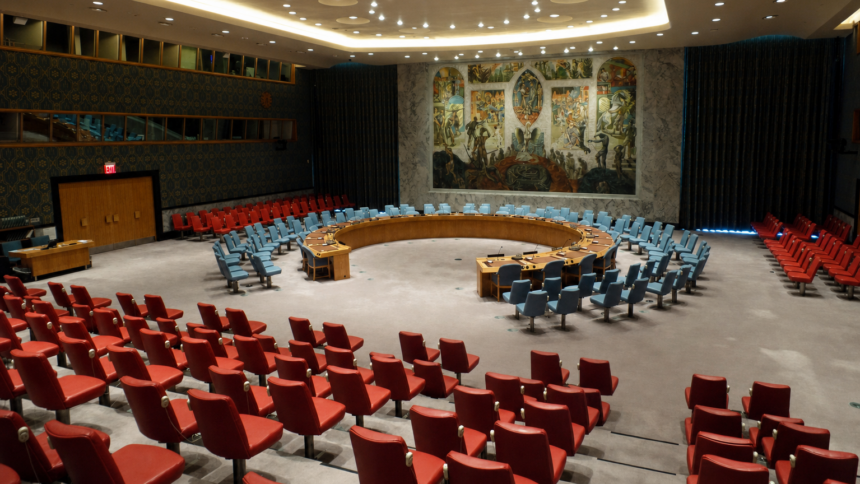


The United Nations Security Council has emphasised the need for states to criminalise terrorist financing and establish asset freezing mechanisms through resolution 2462 adopted in 2019 a framework that guides national strategies according to the UN Counter-Terrorism Committee. Terrorist groups raise funds through methods ranging from charitable abuse to resource exploitation and organised crime making sustained international cooperation vital to restrict their activities. The resolution highlights that effective measures must safeguard legitimate economic flows while addressing security threats. Qatar maintains a dedicated National Counter Terrorism Committee to oversee these obligations and coordinate domestic responses.
Qatar’s Law 27 of 2019 on combating terrorism and Law 20 of 2019 on anti-money laundering and terrorism financing form the backbone of its domestic framework the Ministry of Interior has reported. These statutes mandate prompt adoption of United Nations lists and authorise the freezing of assets belonging to designated individuals or entities. Public Prosecutor Decision 1 of 2020 specifies implementation procedures ensuring alignment with Security Council requirements. The National Counter Terrorism Committee maintains a local list that incorporates both UN designations and domestic decisions resulting in QAR 4.26 billion in restricted funds according to committee figures.
United States authorities have utilised Executive Order 13224 signed in September 2001 to designate terrorists and their financial supporters blocking assets and prohibiting transactions with listed parties a Treasury Department assessment found. The order has evolved to counter changing threats from multiple groups and has facilitated the freezing of substantial resources while generating investigative leads. International partners have adopted similar listing tools to amplify pressure on shared networks. This approach complements broader diplomatic and regulatory initiatives aimed at isolating extremist financiers.
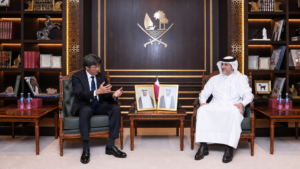
A 2023 Financial Action Task Force evaluation of Qatar noted the country’s comprehensive legal structure for asset freezes and sanctions implementation though it called for further progress in related prosecutions. The task force report stated that Qatar has frozen significant sums tied to terrorism risks particularly through domestic measures under UN resolution 1373. Authorities apply a risk-based methodology focusing on high-threat channels such as cross-border transfers and non-profit organisations. Qatar has also engaged in bilateral agreements including a memorandum with the United States to enhance information exchange on these matters.
Analysts at the Washington Institute for Near East Policy have documented how financial intelligence sharing has become central to identifying and severing terrorist money trails since the early 2000s. Their review indicated that terrorists increasingly rely on cash smuggling trade misinvoicing and emerging technologies prompting regulators to adapt detection methods. Combining regulatory oversight with private sector reporting has proven effective in multiple jurisdictions. Such efforts extend to multilateral platforms where countries exchange techniques for tracing and disrupting flows.
The UN Counter-Terrorism Executive Directorate has advised that counter-financing programmes should incorporate risk assessments to avoid disrupting humanitarian aid while targeting illicit channels. Directorate guidance stresses collaboration between governments financial institutions and international organisations to address vulnerabilities in informal transfer systems. Capacity-building initiatives have helped jurisdictions strengthen oversight without undermining legitimate commerce. These measures form an integrated strategy that treats terrorist financing as a threat to both security and financial system integrity.