ع
ع



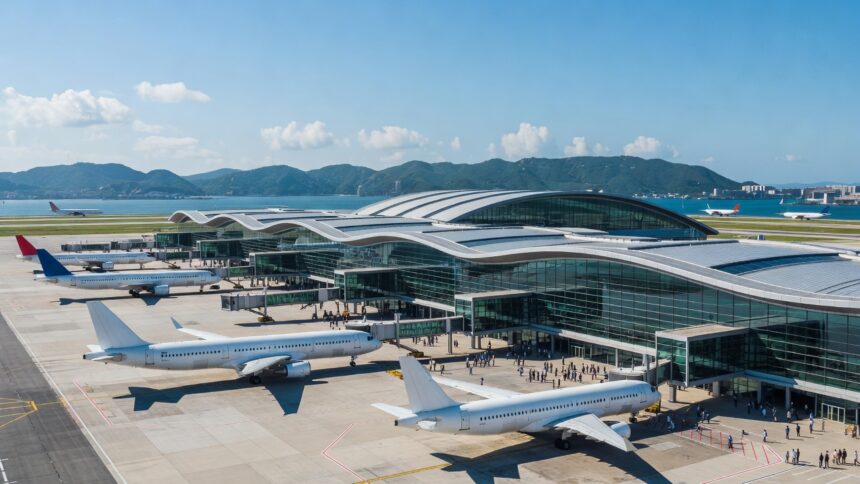


Hong Kong International Airport Authority figures show passenger traffic rose 11.7 percent year on year to 32.8 million in the first half of 2026. The same data places flight movements at 200,685, an increase of 4.4 percent, while cargo throughput reached 2.5 million tonnes, up 4.1 percent from the prior corresponding period. These metrics illustrate the hub’s ongoing rebound as it capitalises on expanded connectivity and visitor inflows.
In remarks reported by Bloomberg on August 16, Financial Secretary Paul Chan linked the passenger growth to a series of events that drew additional tourists to the city. The authority’s separate June update indicated 5.12 million passengers for that month alone, representing a 7.9 percent gain, with flight movements climbing 2.3 percent to 31,940. Transfer and transit traffic proved particularly robust, with Japan and mainland China emerging as leading markets according to the airport operator.
A review of the preceding year’s performance by the airport authority found that the first half of 2025 delivered more than 29 million passengers for a 16.5 percent annual increase, pointing to a moderation in the growth rate even as absolute volumes continue expanding. The authority’s rolling 12-month statistics through June 2026 tally 64.4 million passengers and 5.17 million tonnes of cargo, underscoring sustained demand across passenger and freight segments. Such trends align with Hong Kong’s broader strategy to reinforce its status as an international aviation centre.
The Civil Aviation Department maintains comprehensive traffic statistics that track movements dating back to 1998, providing historical context for the current upswing. Recent gains have benefited from improved regional air services and promotional initiatives aimed at key source markets. Industry observers monitor these developments for signals on the health of Hong Kong’s tourism and logistics sectors.
Airport officials have emphasised infrastructure upgrades designed to handle projected future increases in both passenger and cargo volumes. The combined first-half results position the facility favourably within Asia’s competitive airport landscape. Continued focus on efficiency and capacity remains central to accommodating the observed recovery trajectory.